
Contents
Overview
The formalization of trauma surgery as a distinct specialty is a relatively recent phenomenon, largely spurred by the escalating casualties of major conflicts and the increasing incidence of vehicular accidents in the 20th century. Early surgical interventions for trauma were often ad hoc, with surgeons applying general surgical principles to battlefield wounds or civilian emergencies. However, the development of organized trauma systems, particularly in the United States following the Vietnam War, began to coalesce the discipline. The establishment of the American College of Surgeons' Committee on Trauma in the 1920s marked an early effort to standardize care and improve outcomes. The late 1960s and 1970s saw the emergence of dedicated trauma centers and the fellowship training programs that would solidify the specialty's identity, with institutions like Johns Hopkins Medicine and Massachusetts General Hospital becoming pioneers.
⚙️ How It Works
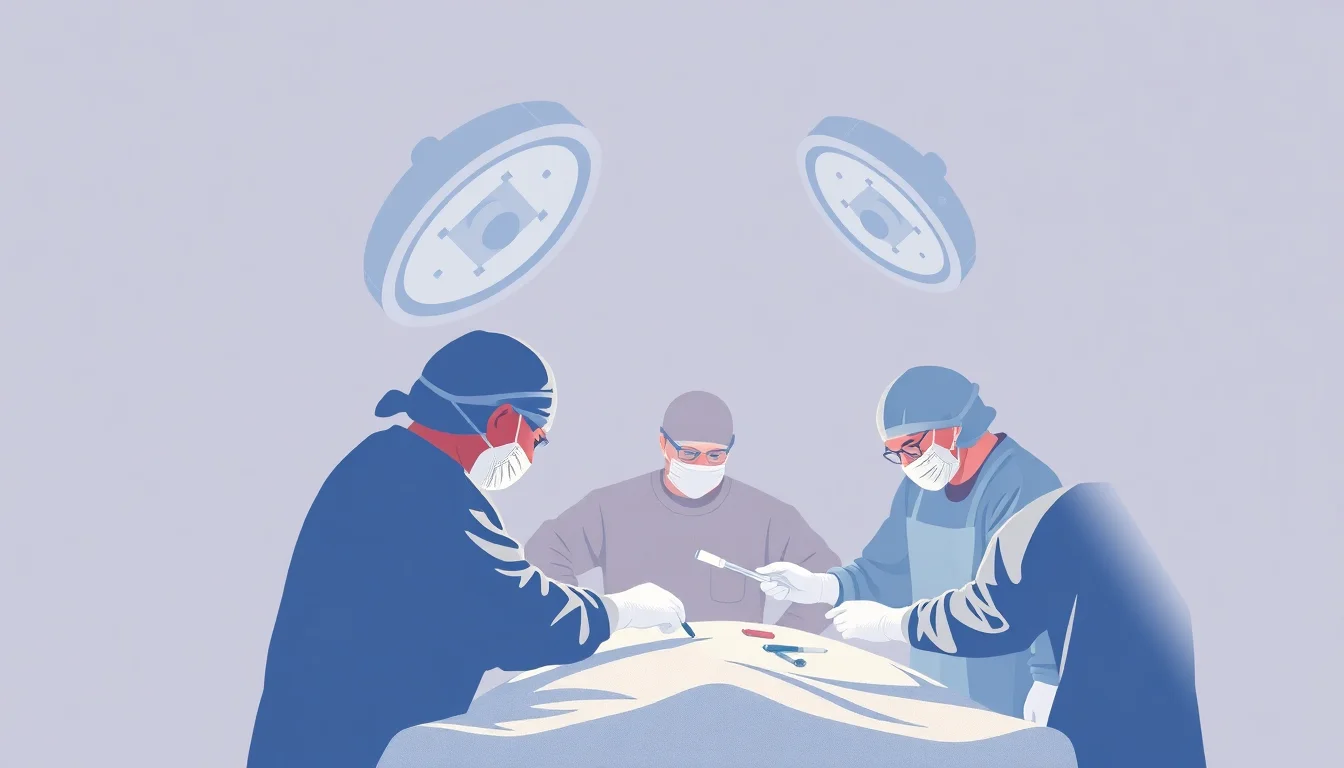
At its core, trauma surgery operates on the principle of 'golden hour' resuscitation and intervention. Upon arrival at a trauma center, a patient is rapidly assessed using the ATLS (Advanced Trauma Life Support) protocol, a standardized approach developed by the American College of Surgeons. This involves a primary survey to identify and manage immediate life threats (airway, breathing, circulation, disability, exposure) followed by a secondary survey for a head-to-toe examination. Surgical intervention may range from immediate laparotomy to control internal bleeding, thoracotomy to repair chest injuries, or orthopedic procedures to stabilize fractures. Beyond the operating room, trauma surgeons manage patients in the surgical intensive care unit (SICU), overseeing their recovery, preventing complications like infection and organ failure, and coordinating with other specialists.
📊 Key Facts & Numbers
Globally, trauma accounts for a staggering burden of mortality and morbidity. Road traffic injuries alone are responsible for a significant number of deaths worldwide. Penetrating trauma, such as gun violence, also contributes significantly to trauma admissions. The economic impact is immense; trauma care costs billions of dollars each year, encompassing emergency response, hospital stays, surgeries, rehabilitation, and lost productivity.
👥 Key People & Organizations
Key figures in the development of trauma surgery include Dr. R. Adams Cowley, often hailed as the 'father of trauma surgery,' who established the first dedicated trauma center at the University of Maryland Medical Center in 1971. His philosophy emphasized rapid transport and immediate surgical intervention. Dr. Norman McSwain Jr. was instrumental in developing the ATLS program, which has become the global standard for trauma care education. Organizations like the American Trauma Society and the Society of Trauma Nurses play crucial roles in advocacy, education, and setting standards for care. Major trauma centers, such as R. Adams Cowley Shock Trauma Center in Baltimore and New York-Presbyterian Hospital's Weill Cornell Medical Center in New York City, are hubs for advanced trauma care and research.
🌍 Cultural Impact & Influence
The dramatic and often life-saving interventions of trauma surgeons have captured the public imagination, frequently depicted in popular culture. Television shows like 'Grey's Anatomy' and 'ER' have showcased the high-pressure environment of trauma bays, albeit often with dramatic license. These portrayals, while sometimes sensationalized, have raised public awareness about the critical role of trauma teams and the severity of traumatic injuries. The development of specialized medical devices and surgical techniques in trauma surgery has also had ripple effects, influencing other surgical specialties. Furthermore, the public health advocacy surrounding issues like road safety and gun control is often informed by the experiences and data gathered by trauma surgeons.
⚡ Current State & Latest Developments
Current developments in trauma surgery are focused on enhancing patient outcomes through technological innovation and refined protocols. The use of damage-control surgery—a strategy involving abbreviated operative interventions followed by resuscitation and definitive repair at a later stage—continues to evolve. Advances in medical imaging, such as portable ultrasound devices (FAST exams), allow for quicker diagnoses in the field and emergency department. The integration of artificial intelligence is being explored for predictive analytics to identify high-risk patients and optimize resource allocation. Furthermore, there's a growing emphasis on pre-hospital care and the role of emergency medical services in initiating life-saving measures en route to the hospital, a concept championed by pioneers like Dr. Cowley.
🤔 Controversies & Debates
One of the most persistent controversies in trauma surgery revolves around the allocation of resources and the definition of 'futile care.' Deciding when to withdraw life support for patients with devastating, unsurvivable injuries is an ethically fraught process, often involving complex discussions between medical teams, families, and ethics committees. Another debate centers on the optimal training pathways, with ongoing discussions about the necessity and duration of fellowship training in surgical critical care versus dedicated trauma surgery. The role of minimally invasive surgery in trauma is also debated; while beneficial in select cases, the immediate need for rapid control of hemorrhage often dictates traditional open surgical approaches. The societal impact of violence, particularly gun violence, also places trauma surgeons at the forefront of public health discussions, sometimes drawing them into politically charged debates.
🔮 Future Outlook & Predictions
The future of trauma surgery is likely to be shaped by further integration of technology and a greater focus on preventative public health measures. Robotic surgery may find niche applications in complex reconstructive procedures following trauma, though its role in acute resuscitation remains limited. Advances in biomaterials and regenerative medicine could revolutionize the repair of damaged tissues and organs. Predictive modeling using big data analytics and machine learning will likely play a larger role in identifying at-risk populations and tailoring interventions. Crucially, the long-term trajectory of trauma surgery will be influenced by societal efforts to reduce the incidence of traumatic injuries, particularly through improved road safety campaigns and addressing the root causes of violence.
💡 Practical Applications
Trauma surgery's practical applications are immediate and life-saving. Its primary role is in the management of acute injuries resulting from accidents, violence, and natural disasters. This includes stabilizing patients with severe bleeding, organ damage, or complex fractures. Trauma surgeons are essential in emergency departments and operating rooms of designated trauma centers, which are equipped to handle the most severe cases. Beyond immediate surgical intervention, they manage patients in critical care settings, overseeing recovery and preventing complications. Their expertise is vital in mass casualty incident preparedness, ensuring healthcare systems can respond effectively to large-scale emergencies, such as terrorist attacks or maj
Key Facts
- Category
- science
- Type
- topic