
Contents
Overview
The lineage of trout stretches back millions of years, with their evolutionary divergence from ancestral salmonids occurring in the Pacific Ocean basin. The genus Oncorhynchus, which includes the iconic rainbow trout and cutthroat trout, is believed to have originated in Asia before migrating to North America. The genus Salmo, home to Atlantic salmon and brown trout, has origins in the North Atlantic. Early human interactions with trout were primarily as a food source and for sport, with indigenous peoples across North America and Europe developing sophisticated fishing techniques. The formal scientific classification began in earnest during the Age of Enlightenment, with figures like Carl Linnaeus establishing the binomial nomenclature that still underpins ichthyology. The distinction between various trout species and their migratory habits, such as the anadromous sea-run trout, became a subject of keen interest for naturalists and anglers alike throughout the 18th and 19th centuries, laying the groundwork for modern conservation efforts.
⚙️ How It Works
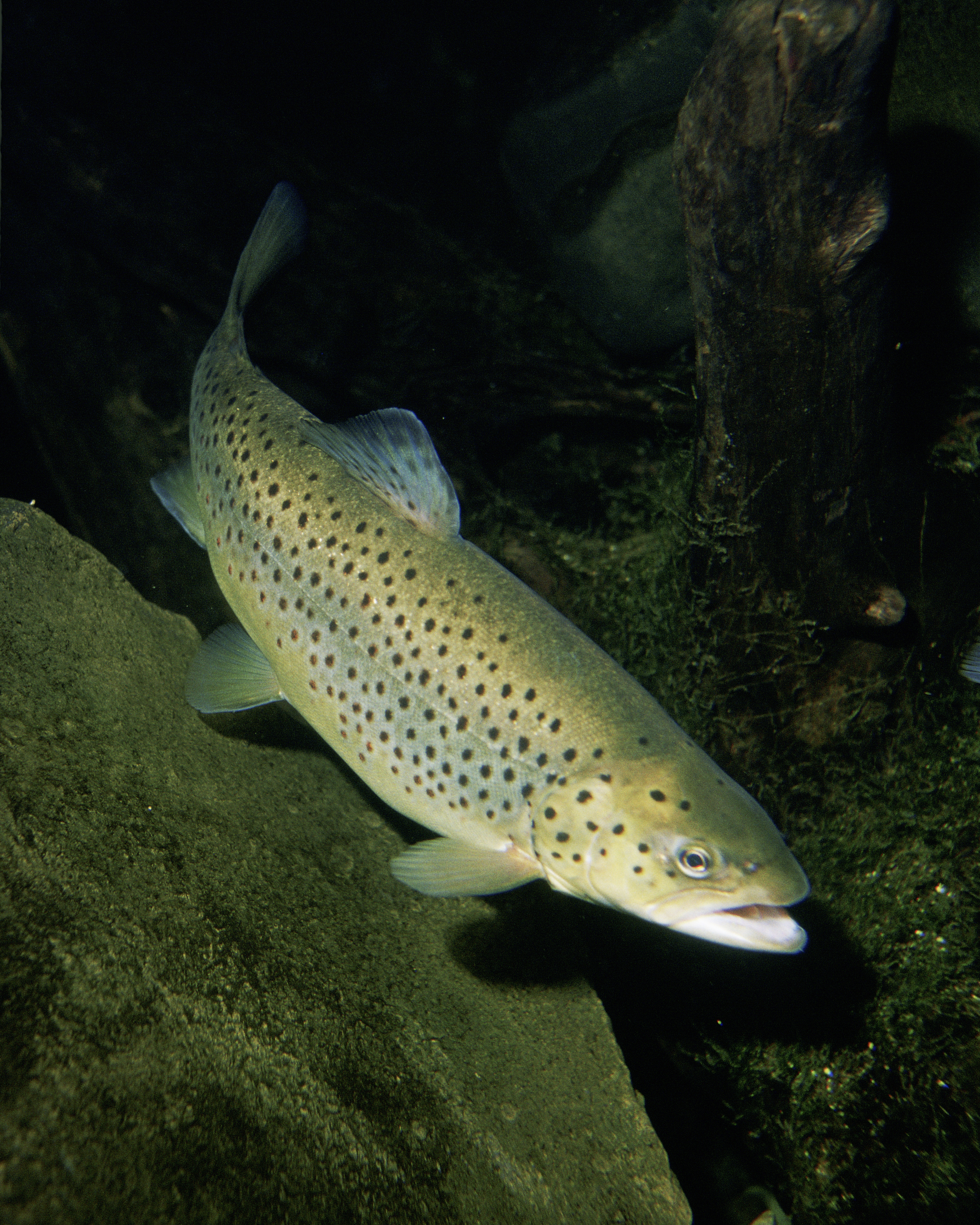
Trout are cold-water fish, thriving in environments with high dissolved oxygen levels, typically found in rivers, streams, and lakes. Their physiology is adapted for active predation; they possess keen eyesight and a lateral line system that detects vibrations, allowing them to locate prey like insects, crustaceans, and smaller fish. Spawning behavior is a critical life-stage event, with most species migrating upstream to gravelly substrates in shallow riffles, where females excavate redds (nests) and deposit eggs. The eggs develop for several weeks to months, depending on water temperature, before hatching into alevin, which remain in the gravel, absorbing nutrients from their yolk sacs. Upon absorbing their yolk sacs, they emerge as fry and then parr, developing distinctive vertical bars for camouflage. Juvenile trout then migrate downstream to larger bodies of water, maturing into adults and, for anadromous species, eventually undertaking their journey to the ocean.
📊 Key Facts & Numbers
Norway and Chile are major producers of farmed salmonids. In the United States, trout fishing generates economic activity annually, supporting thousands of jobs in tourism and outdoor recreation.
👥 Key People & Organizations
The study and conservation of trout have been advanced by numerous scientists and organizations. Ichthyologists like William Richardson Day made significant contributions to understanding trout biology and taxonomy in the early 20th century. The International Union for Conservation of Nature (IUCN) assesses the conservation status of trout species, with many listed as vulnerable or endangered. Organizations such as Trout Unlimited are dedicated to conserving, protecting, and restoring North America's cold-water fisheries and their watersheds. The U.S. Fish and Wildlife Service and its state-level counterparts are instrumental in managing trout populations through stocking programs and habitat restoration initiatives. The work of researchers at institutions like the University of Wisconsin-Madison continues to push the boundaries of trout genetics and conservation science.
🌍 Cultural Impact & Influence
Trout hold a significant place in human culture, deeply embedded in angling traditions and folklore. For centuries, they have been a prized game fish, celebrated in literature and art for their beauty and the challenge they present to anglers. The pursuit of trout has inspired countless books, films, and documentaries, fostering a dedicated community of fly fishers and spin casters. The iconic image of a leaping trout is often used as a symbol of pristine natural environments and healthy ecosystems. Furthermore, trout have become a culinary staple in many regions, with their delicate flavor and firm texture making them a popular choice in restaurants and home kitchens. The economic impact of recreational trout fishing extends beyond direct spending, influencing rural economies and supporting industries related to outdoor gear and tourism, as evidenced by the significant revenue generated in states like Montana and Colorado.
⚡ Current State & Latest Developments
In 2024, the focus on trout conservation remains paramount, driven by increasing threats from habitat degradation, and invasive species. Efforts to restore native trout populations, such as the Apache trout (Oncorhynchus apache) in Arizona, are ongoing, utilizing captive breeding programs and habitat rehabilitation. The aquaculture sector continues to expand, with advancements in disease management and sustainable feed practices aiming to reduce the environmental footprint of farmed trout. Angling regulations are constantly being updated by state and federal agencies, including catch-and-release mandates and restrictions on bait usage, to better protect wild populations. Research into the genetic diversity of trout populations is also accelerating, providing crucial data for conservation strategies and identifying unique adaptations that could be vital for future resilience. The emergence of new fishing technologies, from advanced sonar to specialized fly-tying materials, continues to evolve the angling experience.
🤔 Controversies & Debates
The conservation status of many trout species is a subject of ongoing debate and concern. While some species, like the rainbow trout, are thriving globally due to introductions, many native populations face severe declines. The impact of environmental changes, leading to altered water temperatures and flow regimes, is a major point of contention, with scientists debating the efficacy of current adaptation strategies. The practice of stocking non-native trout in wild trout streams is also controversial, with critics arguing it can negatively impact native fish populations through competition and hybridization. Furthermore, the management of dams and water diversions on rivers that historically supported trout runs remains a contentious issue, balancing human needs for water and power with ecological preservation. The debate over the definition of 'native' versus 'introduced' species in conservation planning also sparks significant discussion among biologists and policymakers.
🔮 Future Outlook & Predictions
The future of trout populations is inextricably linked to our ability to address environmental challenges and habitat fragmentation. Projections suggest that many cold-water habitats will shrink or disappear by the end of the century, potentially leading to significant range contractions for sensitive trout species. However, there is also optimism. Advances in genetic research may allow for the identification and propagation of more resilient trout strains. Innovative habitat restoration techniques, such as beaver dam analogs and riparian zone enhancements, are showing promise in recreating suitable conditions. The increasing awareness of the ecological importance of trout may also drive greater public and political will for conservation, potentially leading to stronger protective legislation and increased funding for research and restoration. The development of climate-resilient aquaculture could also alleviate some pressure on wild stocks, though careful management will be essential to prevent escapes and disease transmission.
💡 Practical Applications
Trout play a vital role in aquatic ecosystems, serving as both predator and prey, and their presence is a strong indicator of water quality. For anglers, trout fishing is a major recreational activity, contributing billions of dollars to local economies annually through tourism, gear sales, and guide services. In aquaculture
Key Facts
- Category
- nature
- Type
- topic