
Contents
- 🎵 Origins & History
- ⚙️ How It Works
- 📊 Key Facts & Numbers
- 👥 Key People & Organizations
- 🌍 Cultural Impact & Influence
- ⚡ Current State & Latest Developments
- 🤔 Controversies & Debates
- 🔮 Future Outlook & Predictions
- 💡 Practical Applications
- 📚 Related Topics & Deeper Reading
- Frequently Asked Questions
- References
- Related Topics
Overview
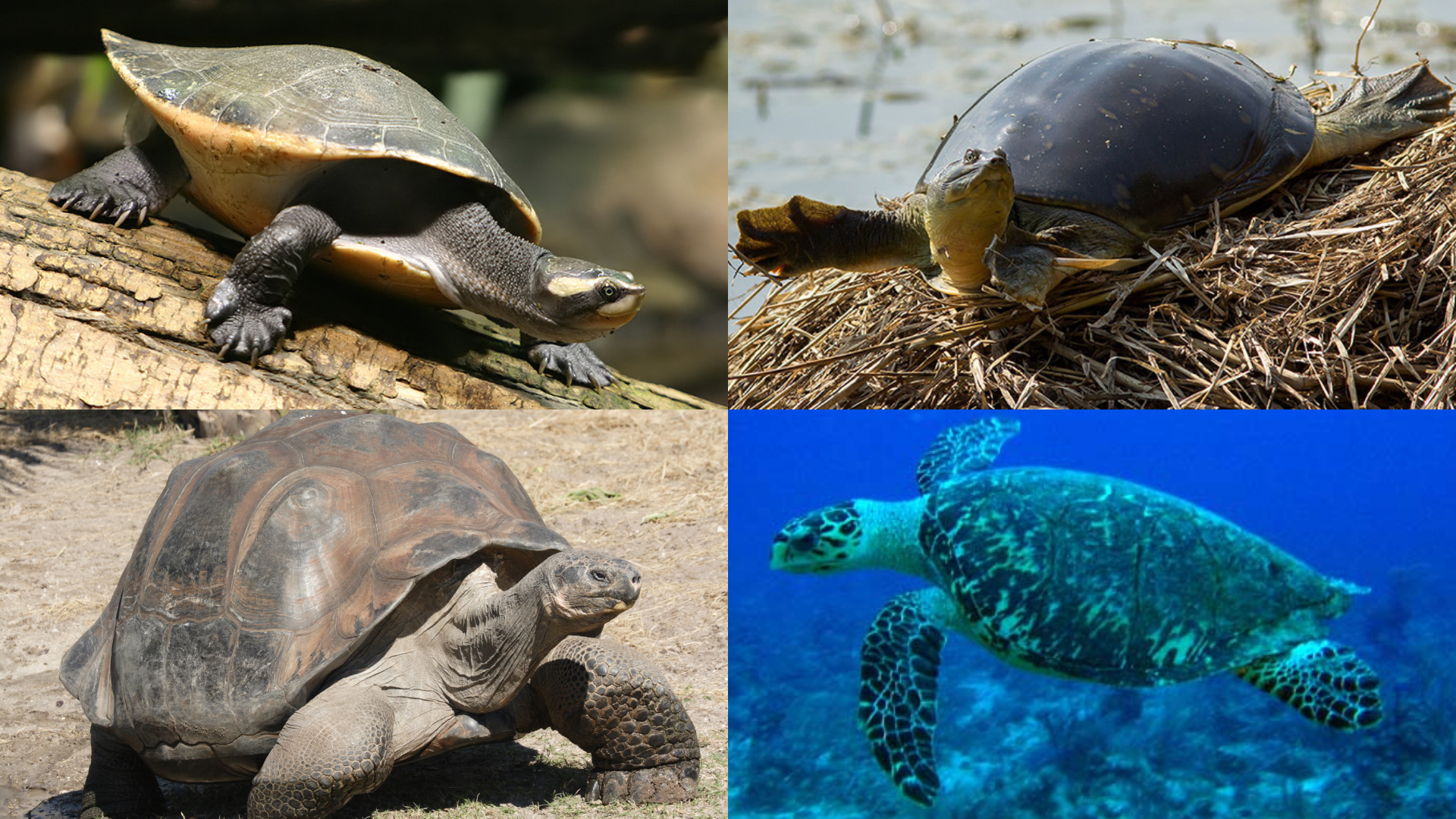
The story of turtles begins in the Triassic period, approximately 220 million years ago, making them one of the oldest reptile lineages on Earth. Early ancestors like Proganochelys and Palaeochersis already possessed a shell, though it was less fused to the skeleton than in modern species. The evolutionary development of the shell, a process that involved the modification of ribs, vertebrae, and dermal bones, is a marvel of natural engineering, providing unparalleled protection. Over eons, turtles diversified into numerous forms, adapting to a vast array of ecological niches. The split into the two major suborders, Cryptodira (hidden-necked turtles) and Pleurodira (side-necked turtles), occurred millions of years ago, reflecting distinct evolutionary pathways in head retraction mechanisms. This ancient lineage has survived multiple mass extinction events, including the one that wiped out the non-avian dinosaurs, a testament to their robust design and adaptability.
⚙️ How It Works
The defining feature of a turtle is its shell, a complex structure composed of the carapace (upper shell) and plastron (lower shell). The carapace is formed from fused ribs, vertebrae, and dermal bones, while the plastron originates from the clavicles and gastralia. This bony framework is covered by scutes, made of keratin, which are homologous to scales and claws found in other reptiles. Unlike the shells of many invertebrates, a turtle's shell is an integral part of its skeleton and cannot be shed. Respiration in turtles is unique; since their ribs are fused to the shell, they cannot expand their chest cavity. Instead, they utilize specialized muscles to alter the volume of their body cavity, drawing air into and expelling it from their lungs. This intricate biomechanical system allows them to breathe efficiently both on land and underwater, though all turtles are air-breathers and must surface to inhale.
📊 Key Facts & Numbers
There are approximately 360 living species of turtles and tortoises, a number that fluctuates with new discoveries and taxonomic revisions. These species are distributed across 14 families, with notable examples including the sea turtles (family Cheloniidae) and tortoises (family Testudinidae). The largest living turtle is the leatherback sea turtle (Dermochelys coriacea), which can weigh up to 900 kg (2,000 lbs) and reach lengths of over 2 meters (6.5 feet). Conversely, the smallest is the speckled padloper tortoise (Chersobius signatus), weighing only about 100 grams (3.5 oz). Sea turtles undertake incredible migrations, with some green sea turtles traveling over 1,600 km (1,000 miles) between feeding grounds and nesting beaches. Sadly, over half of all turtle species are currently classified as threatened or endangered by the IUCN, with population declines often exceeding 50% in the last few decades.
👥 Key People & Organizations
While no single individual is solely credited with the discovery of turtles, pioneering herpetologists like Georges Cuvier and Thomas Huxley made significant contributions to understanding their evolutionary history and classification in the 19th century. Modern research is often spearheaded by organizations such as the Turtle Conservation Fund, which coordinates global efforts, and the Wildlife Conservation Society, which actively works on protecting endangered turtle populations. Scientists like Peter M. Likens have conducted extensive research on turtle anatomy and evolution, while conservationists such as Carl Gertman have dedicated their careers to species recovery programs. The U.S. Fish and Wildlife Service and its international counterparts play crucial roles in enforcing regulations like the CITES treaty to protect turtles from illegal trade.
🌍 Cultural Impact & Influence
Turtles hold a profound place in global culture, appearing in mythology, folklore, and art across diverse societies. In many Indigenous American cultures, the turtle is a symbol of creation, earth, and longevity, often depicted as carrying the world on its back. The "Turtle Island" narrative is a widespread creation story among many Native American tribes. In East Asian cultures, particularly in China, turtles are associated with wisdom, good fortune, and immortality, and their shells have been used for divination for millennia. The slow, steady, and persistent nature of turtles has made them a popular metaphor for patience and endurance, famously illustrated in Aesop's fable, "The Tortoise and the Hare". In modern media, turtles like Leonardo, Donatello, Michelangelo, and Raphael from the Teenage Mutant Ninja Turtles franchise have achieved global icon status, introducing the reptile to new generations. Their ancient appearance and unique biology also inspire scientific curiosity and artistic representation.
⚡ Current State & Latest Developments
The current state of turtle populations is precarious, with an alarming number of species facing extinction. Habitat loss due to development, agriculture, and pollution remains the primary threat, particularly for nesting beaches and freshwater habitats. The illegal pet trade and consumption of turtle meat and eggs continue to decimate populations, especially in Southeast Asia and parts of Africa. Climate change poses a growing threat, impacting nesting success rates through altered sand temperatures (which determine sex in many species) and rising sea levels inundating coastal nesting sites. Conservation initiatives are actively working to mitigate these threats through habitat restoration, anti-poaching patrols, and captive breeding programs, but the scale of the challenge is immense. For instance, the hawksbill sea turtle is critically endangered, largely due to demand for its shell, known as "tortoiseshell".
🤔 Controversies & Debates
One of the most significant controversies surrounding turtles involves the practice of harvesting them for food and traditional medicine, particularly in parts of Asia where demand for turtle meat and alleged medicinal properties of their body parts drives unsustainable exploitation. Another debate centers on the sex determination of hatchlings, which in many species is temperature-dependent. As global temperatures rise, there's a growing concern that many populations will skew heavily towards females, potentially leading to reproductive collapse. Furthermore, the ethics of keeping exotic turtles as pets are debated, with concerns about animal welfare, the spread of diseases like Salmonella, and the impact of released pets on native ecosystems. The effectiveness and ethical implications of intensive conservation methods, such as head-starting programs (raising hatchlings in captivity before release), are also subjects of ongoing discussion among scientists and conservationists.
🔮 Future Outlook & Predictions
The future for turtles is uncertain and heavily dependent on the success of global conservation efforts. Projections suggest that without significant intervention, many species could disappear within the next century. Advances in genetic research may offer new tools for conservation, such as identifying resilient populations or developing methods to assist reproduction. The development of artificial nesting sites and improved methods for sex selection reversal in hatchlings are being explored to combat climate change impacts. International cooperation will be crucial, with continued enforcement of CITES and increased funding for on-the-ground conservation projects. The potential for reintroducing extirpated species into suitable habitats is also a long-term goal, but requires extensive ecological assessment and community engagement. The ultimate survival of turtles hinges on a global commitment to protecting their habitats and mitigating human-induced threats.
💡 Practical Applications
Turtles have several practical applications and roles in human society. Historically, their shells were used for tools, ornaments, and musical instruments. In traditional Chinese medicine, turtle plastrons are believed to have cooling properties and are used in various remedies, though scientific evidence for efficacy is often lacking. In the culinary world, turtle meat has been a delicacy in some cultures, though this practice is increasingly restricted due to conservation concerns. Ecologically, turtles play vital roles in their ecosystems: sea turtles help maintain healthy seagrass beds and coral reefs, while freshwater turtles contribute to nutrient cycling and control insect populations. In scientific research, turtles serve as important models for studying longevity, evolutionary biology, and the impacts of environmental change, particularly their temperature-dependent sex determination.
Key Facts
- Year
- c. 220 million years ago (earliest ancestors)
- Origin
- Global (all continents except Antarctica)
- Category
- nature
- Type
- topic
Frequently Asked Questions
What makes a turtle's shell unique?
A turtle's shell is unique because it's an integral part of its skeleton, formed from fused ribs, vertebrae, and dermal bones, unlike the external coverings of many other animals. This bony structure is covered by keratinous scutes and provides unparalleled protection. The shell's development began over 200 million years ago, evolving from the modified ribs of early ancestors like Proganochelys. This fusion means turtles cannot leave their shells, and their breathing mechanics are adapted to this rigid structure, relying on specialized muscles rather than chest expansion.
How do turtles breathe if their ribs are fused to their shell?
Turtles employ a unique respiratory system that doesn't involve expanding their chest cavity like mammals. Instead, they use specialized muscles to alter the volume of their internal body cavity. By contracting certain muscles, they can push organs against the lungs, forcing air out, and by relaxing others, they can expand the cavity, drawing air in. This mechanism allows them to breathe efficiently both on land and underwater, though all species must surface to inhale atmospheric air. This adaptation is crucial for their survival in diverse aquatic and terrestrial environments.
Why are so many turtle species endangered?
A significant number of turtle species are endangered due to a confluence of human-induced threats. Habitat destruction, driven by development, agriculture, and pollution, decimates their nesting grounds and foraging areas. The illegal pet trade and demand for turtle meat and shells for traditional medicine lead to unsustainable harvesting. Furthermore, climate change is exacerbating these issues by altering nesting site temperatures, which affects sex determination, and causing sea-level rise that inundes coastal nesting beaches. For example, species like the hawksbill sea turtle are critically endangered due to the demand for their shell, known as 'tortoiseshell'.
What is the difference between a turtle, a tortoise, and a terrapin?
While often used interchangeably, these terms denote specific types of chelonians. 'Turtle' is the general term for all reptiles in the order Testudines. 'Tortoise' specifically refers to terrestrial species, characterized by sturdy, elephantine feet and domed shells, adapted for life on land. 'Terrapin' typically refers to semi-aquatic species that live in freshwater or brackish environments, often found near estuaries or marshes, and possess webbed feet for swimming. For instance, the Galapagos tortoise is a true tortoise, while the diamondback terrapin is a classic example of a terrapin.
Can turtles feel pain through their shells?
Yes, turtles can feel pain through their shells, as the shell is a living part of their body, integrated with their skeleton and nervous system. The bony plates of the carapace and plastron are covered in scutes, which are sensitive to touch and temperature. These scutes are supplied with nerves and blood vessels, meaning that damage to the shell can cause pain and bleeding. This sensitivity is why injuries to the shell can be serious and require veterinary attention, and it underscores the importance of handling turtles gently and protecting them from physical harm.
How can I help protect turtles?
There are several ways individuals can contribute to turtle conservation. Reducing plastic consumption is vital, as sea turtles often ingest plastic debris, mistaking it for food, which can be fatal. When visiting beaches, ensure nesting sites are not disturbed and properly dispose of trash. If you encounter a turtle on the road, safely move it in the direction it was heading. Supporting conservation organizations like the Turtle Conservation Fund through donations or volunteering can provide critical resources for habitat protection and anti-poaching efforts. Educating others about the threats turtles face also plays a significant role in raising awareness and fostering a conservation ethic.
What is the evolutionary significance of the turtle shell?
The turtle shell represents one of evolution's most remarkable innovations, providing a unique and highly effective protective adaptation. Its development over 200 million years, from early ancestors like Pandereretes to modern species, showcases a profound modification of the vertebrate body plan. The shell's integration with the skeleton fundamentally altered turtle anatomy, influencing their locomotion, respiration, and defense strategies. Its success is evidenced by the order's survival through multiple mass extinction events, including the Cretaceous-Paleogene extinction that eliminated non-avian dinosaurs, highlighting the shell's role in their enduring evolutionary legacy.