
Contents
Overview
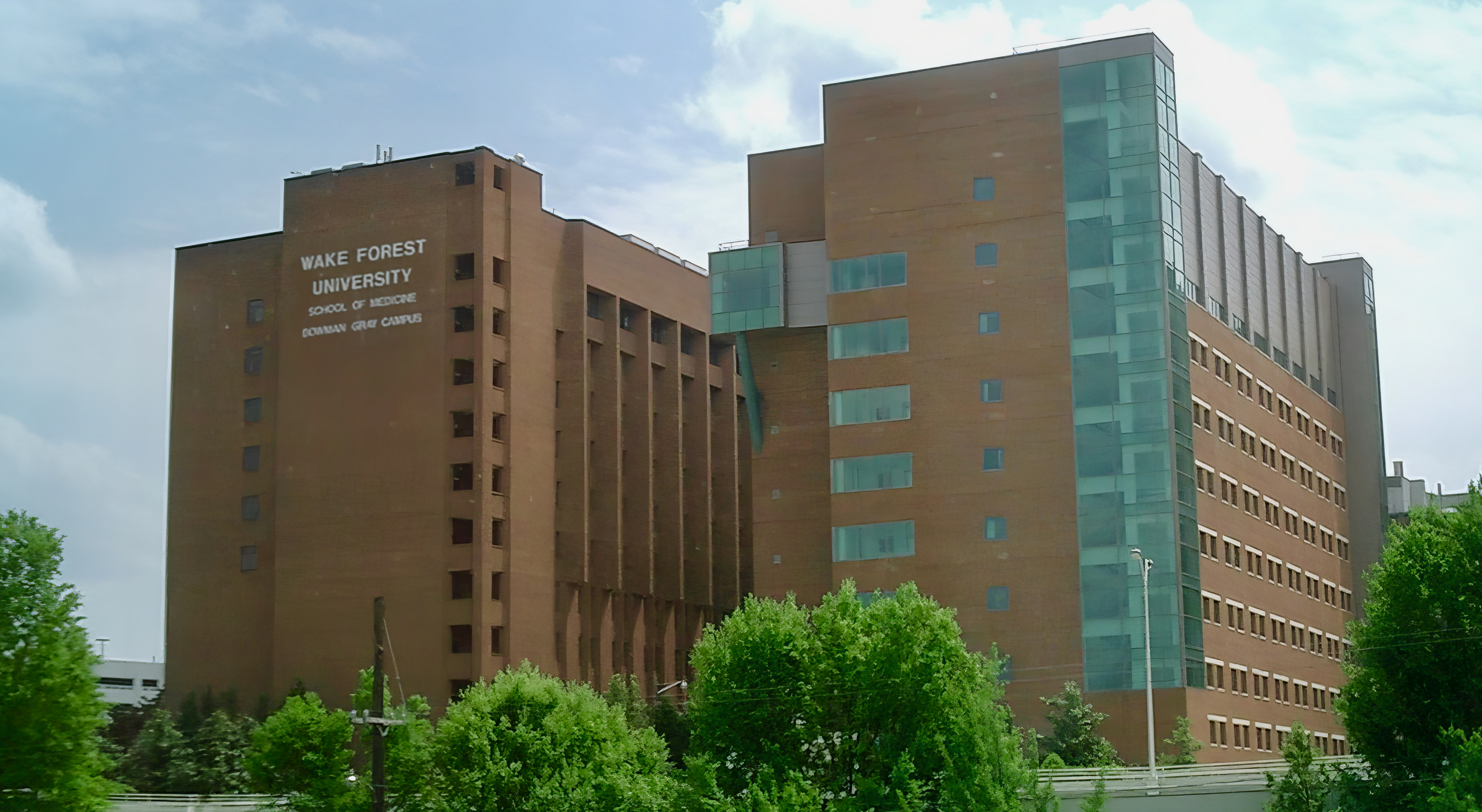
The genesis of the Wake Forest Institute for Regenerative Medicine (WFIRM) can be traced back to the early 2000s, with its official establishment in 2007 as a distinct entity within the Wake Forest School of Medicine. This strategic move consolidated and amplified the university's burgeoning research in tissue engineering and regenerative medicine, which had been gaining momentum for years. The institute built upon foundational work in cell biology and biomaterials, aiming to create a centralized hub for translating complex scientific discoveries into tangible therapeutic solutions. Its creation was a deliberate effort to foster interdisciplinary collaboration, bringing together diverse scientific minds under one roof to tackle the ambitious goal of regenerating human tissues and organs. The institute's early years were marked by significant investments in infrastructure and talent, setting the stage for its rapid ascent to global prominence in the field.
⚙️ How It Works
At its core, WFIRM operates on the principle of biofabrication, a sophisticated process that involves creating functional tissues and organs outside the body. This typically begins with harvesting cells, often from a patient's own body to minimize immune rejection, or utilizing stem cells. These cells are then cultured and expanded in specialized bioreactors, environments that mimic the conditions within the human body, providing nutrients, oxygen, and mechanical stimuli. Simultaneously, a biocompatible scaffold, often made from natural or synthetic polymers, is engineered to provide structural support and guide cell growth. The cells are seeded onto this scaffold, where they proliferate and differentiate, eventually forming the desired tissue or organ. This engineered construct is then transplanted into the patient, aiming to restore function and alleviate disease. The process demands meticulous control over cellular behavior and material properties, integrating principles from biomedical engineering, cell biology, and materials science.
📊 Key Facts & Numbers
WFIRM boasts an impressive track record, with its work having led to the development of over 20 different cell and tissue types being investigated for clinical use. The institute's research portfolio spans over 100 active projects, involving more than 300 researchers and staff. The institute's annual budget often exceeds $50 million, underscoring the scale of its operations and the significant investment in regenerative medicine research.
👥 Key People & Organizations
The institute's leadership and research efforts are spearheaded by a cadre of distinguished scientists and clinicians. While specific individuals like Anthony Atala, MD, Shawn D. Kelly, MD, and James Y. Yu, MD, have been associated with WFIRM's pioneering work in tissue engineering, regenerative medicine, and urological applications, the institute's collaborative spirit extends broadly. WFIRM collaborates extensively with Wake Forest School of Medicine and its affiliated health system, Atrium Health Wake Forest Baptist, leveraging their clinical expertise and patient populations. Partnerships with various biotechnology companies and academic institutions worldwide further amplify its research reach and translational capabilities.
🌍 Cultural Impact & Influence
WFIRM's influence extends far beyond the laboratory, shaping public perception and inspiring future generations of scientists. The institute's groundbreaking work, particularly the creation of lab-grown organs, has captured the public imagination, often featured in major media outlets and documentaries, fostering a sense of hope and possibility for treating currently intractable diseases. This visibility has undoubtedly contributed to the growing interest and investment in the biotechnology sector and regenerative medicine as a whole. By demonstrating the feasibility of engineering complex biological structures, WFIRM has not only advanced scientific knowledge but also ignited a cultural dialogue about the future of medicine and human augmentation. Its success stories serve as powerful case studies for biomedical research institutions globally, influencing curriculum development and research priorities.
⚡ Current State & Latest Developments
In 2024 and beyond, WFIRM continues to push the frontiers of regenerative medicine. The institute is actively pursuing clinical trials for a range of engineered tissues and therapies, including those for osteoarthritis, spinal cord injury, and heart disease. Significant ongoing research focuses on developing more complex organs, such as kidneys and livers, for transplantation, aiming to address the critical shortage of donor organs. WFIRM is also exploring advanced stem cell therapies for neurodegenerative conditions like Parkinson's disease and Alzheimer's disease. The institute is also investing in 3D bioprinting technologies to create increasingly sophisticated and patient-specific tissues and organs, further streamlining the manufacturing process and improving therapeutic outcomes.
🤔 Controversies & Debates
The field of regenerative medicine, while promising, is not without its controversies and ethical considerations. One significant debate revolves around the use of stem cells, particularly embryonic stem cells, which raises ethical objections for some due to their origin. While WFIRM primarily focuses on adult stem cells and induced pluripotent stem cells (iPSCs) to circumvent these issues, the broader debate persists. Another area of contention involves the long-term efficacy and safety of engineered tissues and organs; while initial results are promising, extensive long-term studies are crucial to ensure patient safety and prevent unforeseen complications. The high cost associated with developing and implementing these advanced therapies also raises concerns about accessibility and equity, posing a challenge for widespread adoption. Furthermore, the regulatory pathways for approving these novel treatments are still evolving, creating uncertainty for researchers and developers.
🔮 Future Outlook & Predictions
The future of regenerative medicine, as envisioned by WFIRM, points towards a paradigm shift in healthcare, moving from disease management to true restoration of function. Experts predict that within the next decade, lab-grown organs will become a more common alternative to transplantation, significantly reducing waiting lists and improving patient outcomes. The institute's ongoing research into gene editing technologies like CRISPR could further enhance the therapeutic potential of engineered tissues by correcting genetic defects. WFIRM anticipates that personalized regenerative therapies, tailored to individual patient needs, will become the norm, leading to more effective and less invasive treatments. The ultimate goal is to create a comprehensive regenerative medicine toolkit capable of addressing a vast spectrum of injuries and diseases, fundamentally altering the human lifespan and quality of life.
💡 Practical Applications
The practical applications of WFIRM's research are vast and transformative. Beyond organ transplantation, engineered tissues are being developed for drug testing and disease modeling, providing more accurate and ethical alternatives to animal testing. This allows pharmaceutical companies to screen potential drug candidates more effectively and understand disease mechanisms better. WFIRM's work on skin-grafting has direct applications in treating severe burns and chronic wounds, offering new hope for patients with extensive skin damage.
Key Facts
- Category
- science
- Type
- topic