
Summary
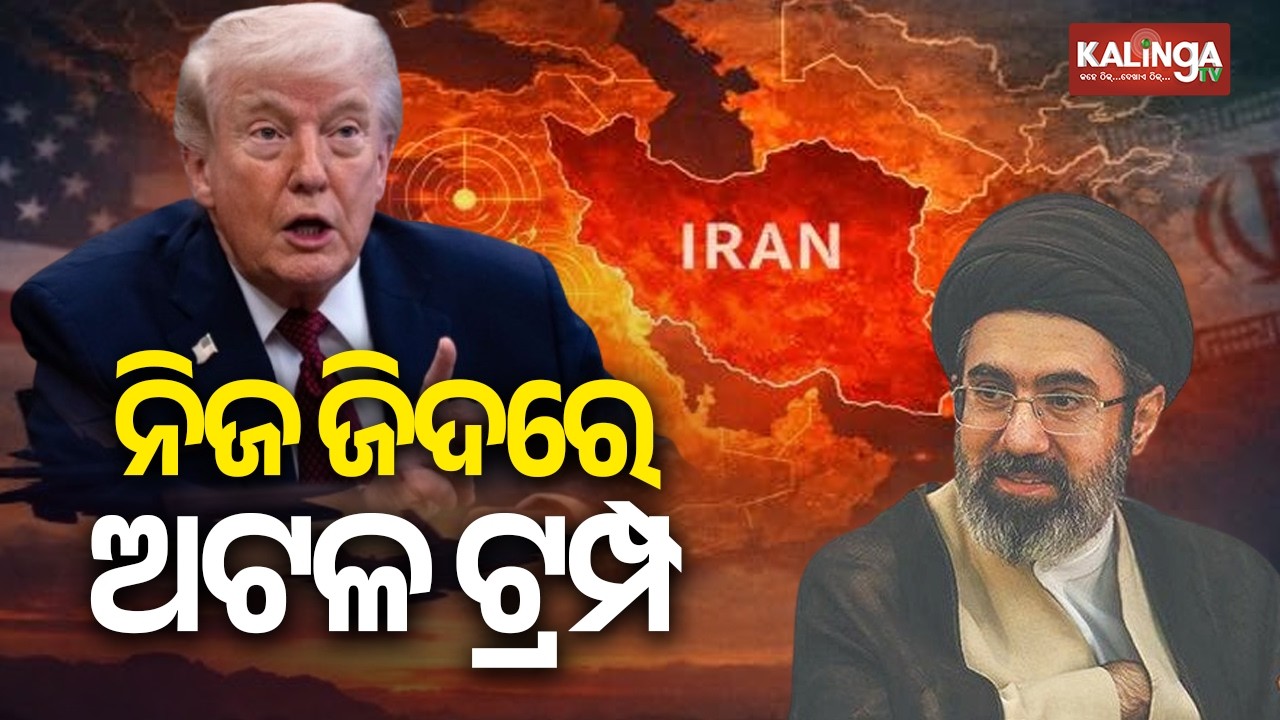
In a recent interview on NBC News' "Meet the Press," **U.S. President Donald Trump** asserted that he would not unfreeze **Iran's** assets until a comprehensive peace deal is reached. This statement comes amid ongoing negotiations regarding Iran's nuclear program and broader regional stability. Trump's position reflects a hardline approach that prioritizes diplomatic leverage over immediate financial relief for Iran, which has been a contentious issue in U.S. foreign policy. The implications of this stance could significantly affect the dynamics of U.S.-Iran relations and the potential for future agreements.
Key Takeaways
- Trump's refusal to unfreeze Iranian assets is a strategic move aimed at securing a peace deal.
- The statement reflects a continuation of the U.S. hardline stance on Iran's nuclear program.
- Critics argue that this approach could escalate tensions and hinder diplomatic progress.
- The outcome of this policy could have significant implications for regional stability in the Middle East.
- Public response to Trump's comments may influence future negotiations and U.S. foreign policy.
Balanced Perspective
Trump's statement reflects a clear policy direction that aligns with his administration's previous stance on Iran. The U.S. has long maintained that any financial relief should be contingent upon Iran's compliance with international agreements regarding its nuclear program. However, the effectiveness of this strategy remains debated, as critics point out that prolonged sanctions have not necessarily led to the desired changes in Iran's behavior. The situation continues to evolve as both sides navigate complex geopolitical landscapes.
Optimistic View
Supporters of Trump's approach argue that holding onto **Iran's** assets serves as a crucial bargaining chip in negotiations. By insisting on a peace deal first, Trump aims to ensure that any agreements made are robust and enforceable, potentially leading to a more stable Middle East. This could also resonate positively with his base, who favor a tough stance against Iran's nuclear ambitions and regional influence, reinforcing the idea that America will not capitulate without significant concessions.
Critical View
Critics warn that Trump's refusal to unfreeze Iranian assets could exacerbate tensions and hinder diplomatic progress. By tying financial relief to a peace deal, the U.S. risks alienating potential allies and prolonging economic hardships for the Iranian people. This hardline stance may also provoke further hostility from Iran, potentially escalating conflicts in the region. The lack of immediate humanitarian relief could undermine any goodwill that might be necessary for successful negotiations.
Source
Originally reported by Reuters