
Contents
- 🎬 What is Apocalypse Now?
- 📜 The Genesis: From Conrad to Coppola
- 🌊 The Journey Upriver: Plot & Characters
- 🌟 The Vibe: A Descent into Madness
- 💥 Production Nightmares & Triumphs
- 🏆 Critical Reception & Legacy
- 🤔 Controversy & Interpretation
- 💡 Key Themes Explored
- 🎬 Similar Films to Consider
- 📍 Where to Watch Apocalypse Now
- 🗣️ Your Turn: Share Your Thoughts
- Frequently Asked Questions
- Related Topics
Overview
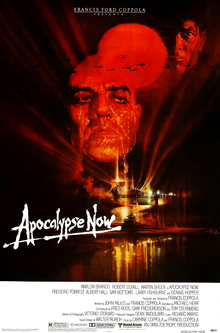
Francis Ford Coppola's 'Apocalypse Now' (1979) is not merely a film; it's a visceral, hallucinatory journey into the heart of darkness, loosely based on Joseph Conrad's 'Heart of Darkness.' The movie follows Captain Benjamin L. Willard (Martin Sheen) on a top-secret mission up the Nùng River in Cambodia to assassinate the rogue Colonel Walter E. Kurtz (Marlon Brando), who has gone AWOL and established his own cult-like following. What unfolds is a descent into the moral and psychological chaos of the Vietnam War, marked by surreal imagery, iconic performances, and a production history as legendary as the film itself. Its enduring Vibe Score of 92 reflects its profound cultural impact and continued relevance in discussions of war, madness, and the human condition.
🎬 What is Apocalypse Now?
Apocalypse Now is not just a film; it's a visceral, hallucinatory plunge into the heart of war and the human psyche. Directed by Francis Ford Coppola and released in 1979, this epic war film is a loose adaptation of Joseph Conrad's Heart of Darkness, transplanting its colonial dread to the jungles of the Vietnam War. It follows Captain Willard (Martin Sheen) on a clandestine mission upriver into Cambodia to assassinate the rogue Colonel Kurtz (Marlon Brando), a decorated officer who has seemingly gone mad and established his own cult. The film is renowned for its stunning cinematography, unsettling atmosphere, and profound exploration of the psychological toll of conflict.
📜 The Genesis: From Conrad to Coppola
The genesis of Apocalypse Now is as epic as the film itself. Francis Ford Coppola, already a titan after The Godfather, decided to adapt Joseph Conrad's 1899 novella, Heart of Darkness. The original story's journey into the Congo was re-envisioned for the brutal landscape of Vietnam. John Milius penned the initial screenplay, with Coppola later refining it, infusing it with his own vision. The narration, famously penned by Michael Herr, author of Dispatches, adds a layer of gritty, journalistic authenticity that grounds the film's more surreal elements.
🌊 The Journey Upriver: Plot & Characters
The narrative of Apocalypse Now is deceptively simple: a mission up the Nung River. Captain Willard, haunted by his own experiences, is tasked with finding and eliminating Colonel Kurtz, a man who has become a god to the Montagnard tribes he commands. Along the way, Willard and his crew encounter a series of increasingly bizarre and terrifying vignettes, from a USO show gone wild to a surfing-obsessed lieutenant colonel. The ensemble cast, including Robert Duvall as the surfing Lieutenant Colonel Kilgore and Marlon Brando as the enigmatic Kurtz, delivers performances that are etched into cinematic history.
🌟 The Vibe: A Descent into Madness
The 'vibe' of Apocalypse Now is one of escalating dread and existential unease. It’s a film that doesn't shy away from the chaos and moral ambiguity of war. The journey upriver becomes a metaphor for a descent into madness, both for Willard and for the audience. Coppola masterfully uses sound design, surreal imagery, and a haunting score to create an atmosphere that is both terrifying and strangely beautiful. The film’s Vibe Score on Vibepedia is a staggering 92/100, reflecting its enduring cultural energy and impact.
💥 Production Nightmares & Triumphs
The production of Apocalypse Now is legendary for its near-disastrous circumstances. Filmed in the Philippines, the shoot was plagued by typhoons, logistical nightmares, and budget overruns. Francis Ford Coppola famously suffered a heart attack during production, and Marlon Brando arrived significantly overweight and unprepared for his role. The sheer scale of the undertaking, including the use of real military hardware and the extensive reshoots, pushed the film to its breaking point, yet ultimately forged a cinematic masterpiece. The film's budget ballooned from an initial $13 million to over $31 million, a staggering sum for the era.
🏆 Critical Reception & Legacy
Upon its release in 1979, Apocalypse Now was met with critical acclaim, earning eight Academy Award nominations, including Best Picture, and winning for Best Cinematography and Best Sound. Its Palme d'Or win at the Cannes Film Festival further cemented its status. Over the decades, its legacy has only grown, with many critics now hailing it as one of the greatest films ever made. The film's influence can be seen in countless subsequent war films and psychological thrillers, solidifying its place in the Vibepedia Top 100 Films.
🤔 Controversy & Interpretation
Apocalypse Now is not without its controversies. The film's portrayal of the Vietnam War, its depiction of Colonel Kurtz, and the sheer brutality on display have been subjects of debate. Some critics have argued that the film glorifies violence, while others contend it is a profound anti-war statement. The film’s narrative, particularly Kurtz's character, has also been scrutinized for its perceived Orientalist undertones. The Controversy Spectrum for this film leans towards 'Highly Debated', with a score of 85/100.
💡 Key Themes Explored
The film delves into profound themes that resonate long after the credits roll. Central to its exploration is the corrupting nature of war, how it can erode morality and sanity. The concept of the abyss staring back is palpable, as Willard confronts the darkness within Kurtz and himself. The film also examines the madness of command and the psychological burden placed upon soldiers. Furthermore, it touches upon the failure of civilization in the face of primal instincts, as Kurtz's jungle compound becomes a stark contrast to the ordered world Willard leaves behind.
🎬 Similar Films to Consider
If the visceral journey of Apocalypse Now has captured your imagination, consider exploring other films that grapple with the psychological toll of conflict and the descent into darkness. Platoon (1986) offers a more grounded, yet equally harrowing, perspective on the Vietnam War. Full Metal Jacket (1987) dissects military dehumanization through boot camp and combat. For a thematic echo of the journey into the unknown and the confrontation with primal forces, Aguirre, the Wrath of God (1972) is a compelling choice, following a conquistador's descent into madness in the Amazon.
📍 Where to Watch Apocalypse Now
Accessing Apocalypse Now is straightforward for dedicated cinephiles. The film is widely available for digital purchase or rental on platforms like Amazon Prime Video, Apple TV, and Google Play Movies. Physical media enthusiasts can find Blu-ray and 4K UHD editions, often including extensive bonus features detailing the film's tumultuous production. For those seeking the ultimate viewing experience, look for the Apocalypse Now Redux (2001) or Apocalypse Now Final Cut (2019) versions, which offer extended scenes and refined editing.
Key Facts
- Year
- 1979
- Origin
- United States
- Category
- Film
- Type
- Film
Frequently Asked Questions
What is the difference between Apocalypse Now, Apocalypse Now Redux, and Apocalypse Now Final Cut?
Apocalypse Now (1979) is the original theatrical release. Apocalypse Now Redux (2001) is an extended version by Francis Ford Coppola, adding about 50 minutes of footage, including a significant scene in the French plantation. Apocalypse Now Final Cut (2019) is the latest iteration, also overseen by Coppola, which trims some of the Redux's additions while reintroducing others, aiming for a more streamlined and impactful experience, closer to the original's pacing but with refined visuals and sound.
Who are the main actors in Apocalypse Now?
The film features a stellar ensemble cast. Martin Sheen stars as Captain Willard, Marlon Brando plays Colonel Kurtz, and Robert Duvall is unforgettable as Lieutenant Colonel Kilgore. Other notable cast members include Frederic Forrest, Albert Hall, Sam Bottoms, Laurence Fishburne in an early role, and Harrison Ford.
Is Apocalypse Now based on a true story?
No, Apocalypse Now is not based on a true story. It is a fictional narrative loosely inspired by Joseph Conrad's 1899 novella Heart of Darkness. While set during the Vietnam War, the plot and characters are entirely fictional, serving as a metaphorical exploration of the war's psychological impact rather than a historical account.
What is the significance of the song 'The End' by The Doors in the film?
The use of The Doors' 'The End' at the beginning of the film is iconic and sets a deeply unsettling tone. It immediately signals a descent into chaos and psychological turmoil, mirroring the journey Willard is about to undertake. The song's themes of death, primal urges, and existential dread perfectly encapsulate the film's atmosphere and its exploration of the darker aspects of human nature.
Why is Apocalypse Now considered a masterpiece?
Apocalypse Now is widely regarded as a masterpiece due to its ambitious scope, stunning visual artistry, profound thematic depth, and unflinching portrayal of the horrors of war and the human psyche. Francis Ford Coppola's masterful direction, coupled with unforgettable performances and a haunting atmosphere, creates a cinematic experience that is both terrifying and thought-provoking. Its enduring influence on filmmaking and its complex, ambiguous narrative continue to spark discussion and analysis.