
Contents
Overview
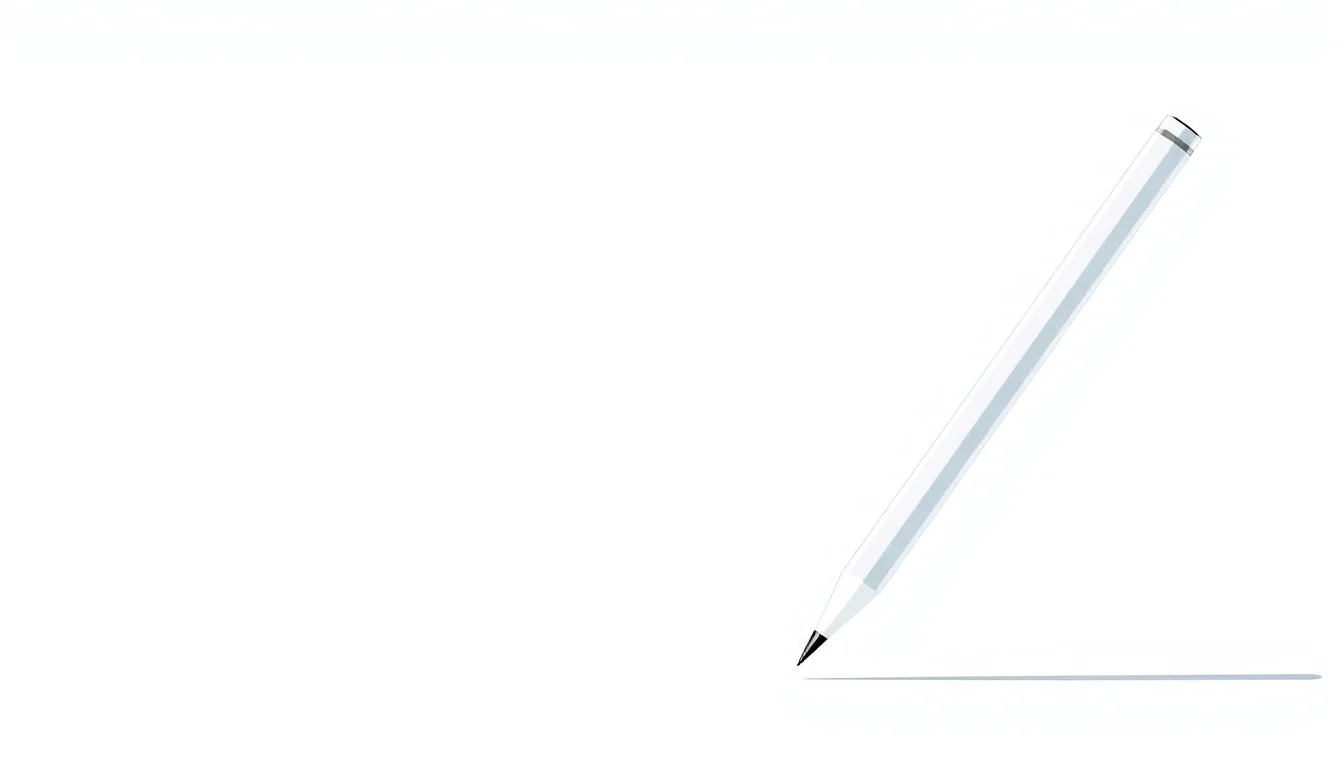
The genesis of the Apple Pencil can be traced back to Apple's ambition to transform the iPad from a content consumption device into a powerful creative and productivity tool. Announced on September 9, 2015, by Tim Cook alongside the first iPad Pro, it was a direct response to the growing demand for a precise stylus that could rival traditional art tools. Precursors like the Wacom Intuos line had already established the potential of digital pens, but Apple sought to integrate this functionality seamlessly with its own hardware and software ecosystem. The first-generation model, released in November 2015, featured a hidden Lightning port under a removable cap for charging, a design choice that immediately sparked discussion. This initial release signaled Apple's commitment to a premium stylus experience, setting a new benchmark for tablet input devices.
⚙️ How It Works
The Apple Pencil operates on sophisticated wireless technology, primarily using Bluetooth for communication with the iPad. Its core functionality relies on detecting precise pressure and tilt, allowing for nuanced line weight and shading variations akin to traditional drawing instruments. The first-generation model charges via a Lightning port, while the second-generation and Apple Pencil Pro models feature magnetic attachment and inductive charging directly on the side of compatible iPads. These newer generations also incorporate touch-sensitive surfaces, enabling customizable gestures like double-taps or squeezes to switch tools or activate shortcuts within applications like Procreate and Adobe Photoshop. The low latency ensures that the digital ink appears almost instantaneously as the pencil moves, creating a natural and responsive drawing experience.
📊 Key Facts & Numbers
Since its debut, the Apple Pencil has seen significant adoption. The first-generation Apple Pencil supports iPads from 2015 to 2021, while the second-generation supports models from 2018 onwards, with the Apple Pencil Pro requiring iPads with M2 or M4 chips. These figures underscore its substantial market presence and integration into the Apple ecosystem.
👥 Key People & Organizations
The Apple Pencil is a product of Apple Inc., a company co-founded by Steve Jobs, Steve Wozniak, and Ronald Wayne. While Tim Cook currently leads Apple and oversaw the Pencil's later iterations, the initial vision for such a precision input device is often attributed to the broader design and engineering teams at Apple, including key figures in Jony Ive's former design studio. Apple Inc.'s extensive research and development department is responsible for the stylus's proprietary technology and integration. Third-party developers, such as Procreate and Adobe, have also played a crucial role by optimizing their creative applications to fully leverage the Apple Pencil's advanced features, fostering a robust software ecosystem around the hardware.
🌍 Cultural Impact & Influence
The Apple Pencil has profoundly impacted digital art and design workflows. It has democratized digital creation, making professional-grade tools accessible to a wider audience, including students and hobbyists. Its influence is evident in the proliferation of digital art shared on platforms like Instagram and TikTok, where artists showcase their iPad-based creations. The stylus has also enhanced productivity for professionals, enabling faster markup of documents, detailed schematic design, and intuitive note-taking in meetings, thereby blurring the lines between personal and professional devices.
⚡ Current State & Latest Developments
As of late 2024, the Apple Pencil line includes the first-generation, second-generation, and the newly introduced Apple Pencil Pro. The Apple Pencil Pro features barrel roll for precise brush control, haptic feedback for confirmation, and a 'Squeeze' gesture to bring up a palette, further enhancing its creative capabilities. Apple continues to refine its stylus technology, focusing on lower latency and improved pressure sensitivity, and deeper integration with its iPadOS operating system and Apple Silicon chips. The ongoing development suggests a future where the Pencil becomes even more integral to the iPad experience, potentially incorporating more advanced AI-driven features or biometric sensors.
🤔 Controversies & Debates
The Apple Pencil has faced several points of contention. Early criticisms often centered on its charging method via the Lightning port, which many found awkward and prone to breakage. The price point, starting at $99, also positioned it as a premium accessory, making it inaccessible for some users, especially when compared to more affordable third-party styluses. Furthermore, the proprietary nature of the technology means it only works with specific iPad models, creating compatibility limitations and frustrating users who own older or non-compatible devices. Debates also arise regarding its true replacement for traditional art tools, with some artists maintaining that the tactile feel and material nuances of physical media remain unmatched.
🔮 Future Outlook & Predictions
The future of the Apple Pencil appears to be one of increasing sophistication and integration. We can anticipate further advancements in haptic feedback, potentially allowing for simulated textures. Apple Inc. may also explore more advanced gesture recognition, perhaps even incorporating Augmented Reality capabilities for 3D design and modeling directly on the iPad. The development of Apple Silicon chips suggests a trajectory towards even lower latency and higher processing power for stylus input. It's also plausible that Apple will continue to expand compatibility, potentially making future iterations work with MacBooks or iPhones, further solidifying its position as a universal creative input device within the Apple ecosystem.
💡 Practical Applications
The Apple Pencil has found widespread application across numerous fields. In graphic design and illustration, artists use it with apps like Procreate, Adobe Fresco, and Affinity Designer for digital painting, sketching, and vector graphics. Students and academics utilize it for taking handwritten notes, annotating PDFs, and creating study guides in apps such as Notability and GoodNotes. Professionals in architecture, engineering, and construction employ it for marking up blueprints and designs on site. Medical professionals use it for annotating scans and patient records, and even musicians use it for digital sheet music and composition.
Key Facts
- Category
- technology
- Type
- topic