
Contents
Overview
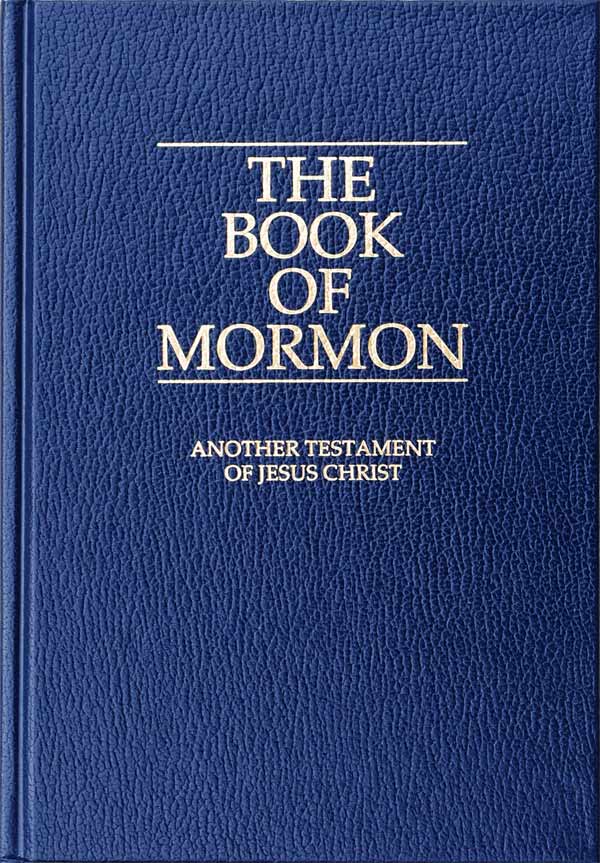
The Book of Mormon stands as a central religious text for adherents of the Latter Day Saint movement, first published in 1830 by Joseph Smith. It purports to be a translation of ancient records inscribed on gold plates by prophets who lived in the ancient Americas. The narrative spans from approximately 600 BCE to 400 CE, chronicling migrations from Jerusalem, the rise and fall of civilizations, and divine visitations, most notably that of Jesus Christ to the inhabitants of the Americas shortly after his resurrection. While the Church of Jesus Christ of Latter-day Saints and other Latter Day Saint denominations consider it a literal historical account and a "keystone" of their faith, mainstream archaeology and historical scholarship have found no independent corroborating evidence for its narrative. Its translation, authenticity, and historical claims remain subjects of intense theological debate and scholarly inquiry, with over 170 million copies distributed worldwide in more than 100 languages.
🎵 Origins & History
The genesis of the Book of Mormon is inextricably linked to Joseph Smith, who claimed to have received divine instruction to unearth ancient gold plates buried near Palmyra, New York, in 1823. According to Smith's account, these plates contained the history of ancient peoples in the Americas, compiled by a prophet named Mormon. Smith, with the aid of scribes like Martin Harris and Oliver Cowdery, translated the text, allegedly through divine means, culminating in its publication in 1830 by E.B. Grandin in Palmyra. This marked the formal establishment of the Church of Christ (later reorganized as The Church of Jesus Christ of Latter-day Saints). Early critics, including those associated with the Anti-Masonic Party, immediately questioned its origins, leading to a long-standing debate about its historicity and authorship that continues to this day.
⚙️ How It Works
The Book of Mormon is presented as a compilation of records from the Nephites and the Lamanites, who are said to have migrated from Jerusalem to the Americas around 600 BCE. The narrative details their spiritual journeys, wars, and prophecies, culminating in a significant event: the personal visit of the resurrected Jesus Christ to the American continent. This visitation, described in detail in the book's Third Nephi section, is considered a pivotal moment, establishing a new covenant with these peoples. The text is structured into smaller books, each named after its primary compiler or prophet, such as Mosiah, Alma, and Ether. The translation process itself is a core element of its theological framework, with believers attributing its accuracy to divine intervention rather than human scholarship.
📊 Key Facts & Numbers
Over 170 million copies of the Book of Mormon have been distributed worldwide since its initial publication. It is available in over 100 languages, with significant translation efforts continuing to expand its reach. The book comprises 278 chapters and is divided into 15 distinct books. The longest book within the compilation is the Book of Alma, containing 61 chapters. The shortest is the Words of Mormon, a brief introduction. The LDS Church alone reports printing an average of 1 million copies annually in recent years. Its distribution is a key missionary effort, with members encouraged to share its message globally.
👥 Key People & Organizations
Joseph Smith is credited as the primary translator and publisher of the Book of Mormon. Mormon is named as the principal abridger of the ancient records, and his son, Moroni, is credited with completing the record and hiding the plates. Key figures in its early dissemination include Sidney Rigdon, who served as an early scribe and prominent leader, and Orson Pratt, who was instrumental in its early publication and distribution in Europe. The Church of Jesus Christ of Latter-day Saints is the primary organization that promotes and distributes the book, alongside other Latter Day Saint denominations like the Community of Christ (formerly the Reorganized Church of Jesus Christ of Latter Day Saints), which holds different views on its historicity.
🌍 Cultural Impact & Influence
The Book of Mormon has profoundly shaped the cultural and religious identity of millions, serving as a cornerstone of Latter Day Saint theology and practice. Its narratives have inspired art, music, literature, and architecture within the faith community. The book's unique claims about ancient American civilizations have also spurred significant interest in pre-Columbian history and archaeology, albeit with limited academic acceptance. Its distribution as a missionary tool has introduced its narratives to diverse global audiences, influencing cultural perceptions of the faith. The phrase "keystone of our religion" is often used by Latter-day Saints to describe its central importance.
⚡ Current State & Latest Developments
As of 2024, the Book of Mormon continues to be a central focus of missionary work for the Church of Jesus Christ of Latter-day Saints. The church actively promotes its study through various channels, including its official website and the Come Unto Christ initiative. Recent efforts have included the development of digital resources, study guides, and multimedia content to engage younger generations and international audiences. The ongoing translation into new languages and the continued printing of millions of copies underscore its sustained relevance within the faith community.
🤔 Controversies & Debates
The Book of Mormon is at the center of significant controversy regarding its historical and archaeological claims. Mainstream archaeologists and historians find no evidence supporting the existence of the civilizations or events described within its pages, such as the large-scale migrations, metalworking, and monumental architecture detailed in the text. Critics often point to perceived similarities with contemporary literature, such as View of the Hebrews by Ethan Smith, suggesting it was a product of Joseph Smith's time rather than an ancient record. Believers, however, maintain that the absence of external evidence is not proof of absence and that the book's spiritual message and internal consistency are paramount. The debate over its origins—whether divine translation or human creation—remains a defining characteristic of its public perception.
🔮 Future Outlook & Predictions
The future of the Book of Mormon's influence will likely be tied to the growth and evolving interpretations within the Latter Day Saint diaspora. As the faith expands globally, translation efforts will continue, potentially reaching new linguistic and cultural groups. Debates surrounding its historicity may persist, but the focus for many adherents will likely remain on its spiritual teachings and role in personal faith development. Technological advancements may also play a role in how the text is studied and disseminated, with increased digital accessibility and interactive learning tools. The book's enduring status as a sacred text suggests its continued significance for millions of believers.
💡 Practical Applications
The primary practical application of the Book of Mormon is as a spiritual guide and source of doctrine for members of the Church of Jesus Christ of Latter-day Saints and other Latter Day Saint denominations. It serves as a foundational text for personal study, family scripture study, and religious education within the faith. Missionaries utilize the book extensively in their proselytizing efforts, sharing its message with individuals worldwide. Its narratives are often invoked in sermons, lessons, and personal testimonies to illustrate principles of faith, repentance, and divine guidance. For believers, it provides a framework for understanding God's relationship with humanity and a testament to the divinity of Jesus Christ.
Key Facts
- Category
- culture
- Type
- topic