
Contents
Overview
The story of Cannabis sativa begins in the fertile grounds of Eastern Asia, where its cultivation dates back at least 12,000 years, predating even settled agriculture in some regions. Early humans recognized its dual nature: the robust fibers of its stalks were ideal for crafting ropes, textiles, and paper, while its seeds provided a nutritious food source and oil. The plant was formally classified by Carl Linnaeus in 1753, who bestowed upon it the species epithet 'sativa,' meaning 'cultivated,' a nod to its long-standing relationship with humanity. Over centuries, its reach expanded far beyond its native continent, becoming a cosmopolitan species thanks to trade routes like the Silk Road and the voyages of explorers. Its journey was not merely geographical but also cultural, weaving itself into the fabric of societies for medicinal, recreational, and spiritual purposes across continents, from ancient China to the Roman Empire and beyond.
⚙️ How It Works
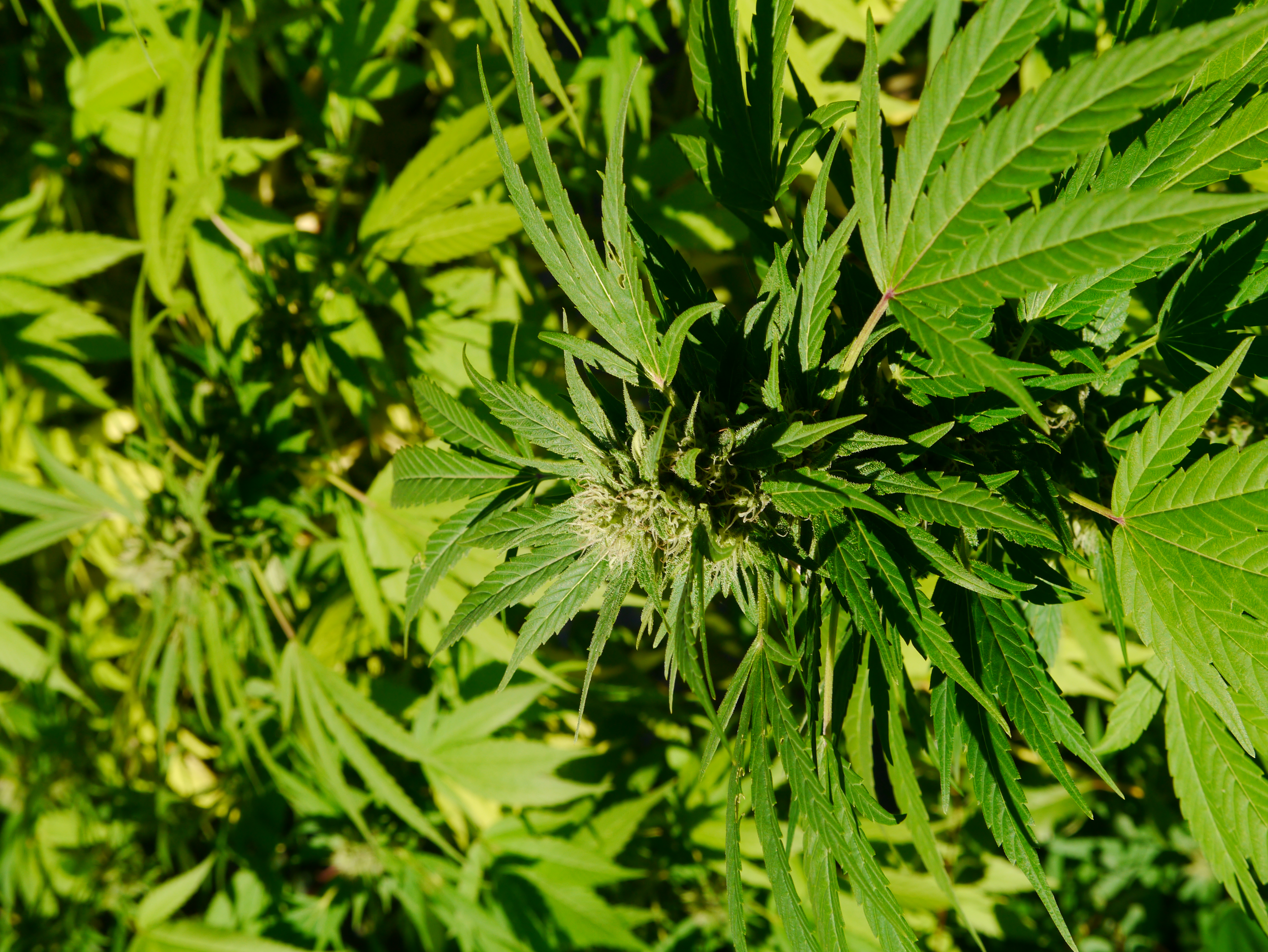
At its biological core, Cannabis sativa is an annual flowering plant characterized by its distinct palmate leaves, typically with 7-13 leaflets, and its tall, slender growth habit, often reaching heights of 1 to 5 meters. The plant's magic lies in its complex biochemistry, particularly in the resin produced by its flowers and leaves. This resin is a treasure trove of cannabinoids, with THC and CBD being the most prominent. THC is primarily responsible for the psychoactive 'high' associated with recreational use, while CBD is lauded for its non-psychoactive therapeutic properties, such as reducing anxiety and inflammation. The plant's reproductive cycle involves male and female flowers, with pollination leading to the development of seeds, which are themselves a valuable commodity. The specific ratios of cannabinoids and terpenes—aromatic compounds that contribute to the plant's unique scent and flavor profile—are heavily influenced by genetics, growing conditions, and post-harvest processing, leading to the vast diversity seen in modern strains.
📊 Key Facts & Numbers
Globally, Cannabis sativa is cultivated across an estimated 1.5 million hectares, producing over 20 million metric tons of biomass annually, though precise figures are difficult to ascertain due to widespread illicit cultivation. The legal global cannabis market was valued at approximately $30 billion in 2023 and is projected to reach over $100 billion by 2030, driven by expanding legalization for medical and recreational use. In the United States alone, the legal cannabis industry generated over $30 billion in sales in 2023. Industrial hemp, a variety of Cannabis sativa with very low THC content (typically below 0.3%), accounts for a significant portion of this acreage, with the U.S. hemp market valued at around $800 million in 2023. Medicinal cannabis is now legal in over 50 countries, with patient numbers estimated to be in the tens of millions worldwide.
👥 Key People & Organizations
While no single individual 'invented' Cannabis sativa, its modern understanding and cultivation have been shaped by numerous figures. Carl Linnaeus provided its foundational scientific classification in 1753. In the 20th century, figures like George Washington actively cultivated hemp on his Mount Vernon estate, highlighting its historical importance in early American agriculture. More recently, researchers like Raphael Mechoulam, an Israeli chemist, pioneered the isolation and synthesis of THC and CBD, earning him the moniker 'father of cannabis science.' Organizations such as the United Nations Office on Drugs and Crime (UNODC) have historically played a role in global drug control policies, while advocacy groups like NORML (National Organization for the Reform of Marijuana Laws) have been instrumental in pushing for legislative reform. The Cannabis Research Initiative at the University of California, San Diego is at the forefront of modern scientific exploration.
🌍 Cultural Impact & Influence
The cultural footprint of Cannabis sativa is immense and multifaceted. For millennia, it has been revered in spiritual traditions, notably in Hinduism where it is associated with Lord Shiva and used in rituals, and in Rastafarianism as a sacrament. Its use as a recreational substance has profoundly influenced music genres like jazz, reggae, and hip-hop, inspiring countless songs and artistic expressions. The plant's imagery and symbolism are pervasive in art, literature, and film, often representing rebellion, enlightenment, or relaxation. The burgeoning legal cannabis industry has also created new cultural touchstones, from sophisticated dispensaries to cannabis-infused culinary experiences and a growing 'cannabis tourism' sector. Its influence extends to fashion and design, with hemp fibers increasingly incorporated into sustainable clothing and materials, signaling a broader shift towards eco-conscious consumerism.
⚡ Current State & Latest Developments
As of 2024, Cannabis sativa is undergoing a dramatic transformation driven by global legalization trends. The United States continues to expand its legal markets, with states like Ohio legalizing adult-use cannabis in late 2023. Germany is also moving towards decriminalization and regulated sales, signaling a significant shift in European policy. The scientific community is actively researching the plant's therapeutic potential for conditions ranging from chronic pain and epilepsy to PTSD and neurodegenerative diseases, with new clinical trials commencing regularly. Simultaneously, advancements in cultivation technology, including controlled environment agriculture (CEA) and precision farming techniques, are optimizing yield and cannabinoid profiles. The development of novel cannabinoid-based pharmaceuticals, such as Epidiolex (a CBD-based anti-seizure medication), represents a major step in integrating cannabis into mainstream medicine.
🤔 Controversies & Debates
The most persistent controversy surrounding Cannabis sativa centers on its classification as a controlled substance in many jurisdictions, despite growing evidence of its medicinal benefits and low potential for harm compared to legal substances like alcohol and tobacco. Debates rage over the appropriate THC limits for industrial hemp, the potential for 'greenwashing' in the burgeoning CBD market, and the equitable distribution of licenses in newly legalized recreational markets, often excluding communities disproportionately harmed by past prohibition. Concerns about public health impacts, such as potential links to psychosis in vulnerable individuals and impaired driving, remain subjects of intense scientific and political scrutiny. Furthermore, the ongoing struggle to reconcile federal prohibition with state-level legalization in countries like the United States creates significant legal and financial complexities for businesses and consumers alike.
🔮 Future Outlook & Predictions
The future of Cannabis sativa appears poised for continued expansion and integration into mainstream society. Experts predict a significant increase in the number of countries legalizing cannabis for medical and recreational purposes, potentially reaching 50-70% of the global population within the next decade. Research into minor cannabinoids like CBG, CBN, and CBC, as well as the synergistic effects of cannabinoids and terpenes (the 'entourage effect'), is expected to unlock new therapeutic applications and product innovations. The industrial hemp sector is likely to see substantial growth, driven by demand for sustainable materials in construction, textiles, and bioplastics, potentially challenging traditional industries like cotton and petroleum-based plastics. We may also witness the development of highly personalized cannabis therapies, tailored to individual genetic profiles and specific health conditions, moving beyond a one-size-fits-all approach.
💡 Practical Applications
Cannabis sativa's applications are remarkably diverse. Medicinally, it's used to manage chronic pain, nausea associated with chemotherapy, muscle spasms in multiple sclerosis, and certain forms of epilepsy, with CBD and THC being the primary active compounds. Industrially, hemp fibers are transformed into durable textiles, paper, building materials (like hempcrete), and biofuels. Hemp seeds are a nutritional powerhouse, rich in pro
Key Facts
- Category
- nature
- Type
- topic