
Contents
Overview
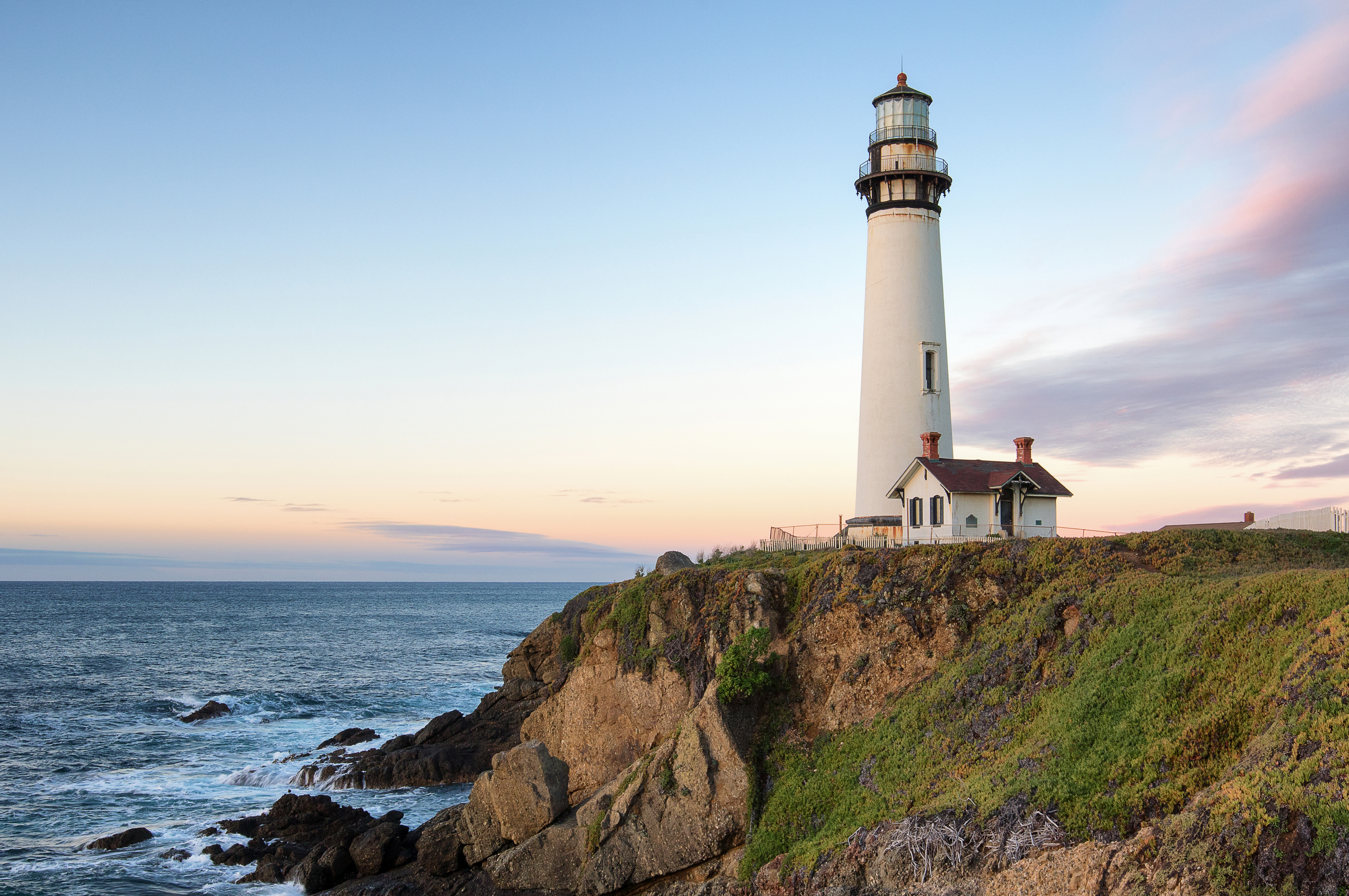
Standing sentinel on the rugged San Mateo County coast, Pigeon Point Lighthouse is one of the tallest lighthouses on the West Coast of the United States. Commissioned in 1872, its Fresnel lens once guided mariners through treacherous Pacific waters, a vital beacon for maritime trade and travel. Today, it's a beloved state historic park, offering breathtaking ocean views, educational programs, and a glimpse into California's maritime past. While the light itself is automated and no longer manned, the tower remains a powerful symbol of human ingenuity and the enduring allure of the coast. Its dramatic setting and rich history make it a must-visit for anyone exploring the California coast.
📍 Location & Access
Pigeon Point Lighthouse, perched dramatically on the San Mateo County coast, is one of California's most iconic and photogenic lighthouses. Standing at 115 feet, it's the tallest lighthouse on the West Coast, offering breathtaking panoramic views of the Pacific Ocean. This historic site is a must-visit for anyone interested in maritime history, stunning coastal scenery, or simply a peaceful escape. It's ideal for day-trippers, photographers, and history buffs looking to connect with California's seafaring past.
⏰ Hours & Visiting
The lighthouse itself is part of Pigeon Point Lighthouse State Historic Park, managed by California State Parks. While the grounds are generally accessible year-round, specific tour availability for the lighthouse tower can vary. It's crucial to check the official California State Parks website for the most up-to-date information on public access and guided tours, as these are often limited and require advance booking. Expect limited services outside of scheduled events.
💰 Fees & Facilities
Access to the grounds of Pigeon Point Lighthouse is typically free, making it an accessible destination for all. However, guided tours that allow you to ascend the tower often come with a fee, which helps support the preservation efforts. Restroom facilities are usually available on-site. There are no extensive visitor centers or gift shops directly at the lighthouse, reinforcing its status as a more natural and historical experience rather than a commercialized attraction. Pack accordingly for a rustic visit.
⭐ What People Say
Visitors consistently rave about the sheer beauty and historical significance of Pigeon Point Lighthouse. Many highlight the dramatic cliffside setting and the feeling of stepping back in time. Photographers frequently praise the golden hour light and the picturesque views. Some reviews mention the limited accessibility to the tower itself as a drawback, but the overall sentiment is overwhelmingly positive, often citing it as a peaceful and inspiring location. The lighthouse boasts a solid Vibepedia rating of 8.5/10 for its scenic and historical value.
💡 Engineering Marvel
The engineering behind Pigeon Point Lighthouse is a testament to 19th-century ingenuity. Completed in 1872, its 115-foot brick tower houses a magnificent first-order Fresnel lens, a complex optical marvel that, when operational, could cast its beam 22 nautical miles out to sea. The lens itself is a masterpiece of glasswork, comprising 1,000 prisms. While the original lamp has been replaced by a modern LED beacon, the historic lens remains a central exhibit, showcasing the intricate mechanics that guided mariners safely through treacherous waters.
🌊 Coastal Context
Pigeon Point Lighthouse stands as a sentinel overlooking the rugged coastline where the Pacific Ocean presents significant navigational challenges. Its strategic location was chosen to warn ships away from the dangerous shoals and rocky outcrops that have claimed numerous vessels throughout history. The lighthouse is situated within the Pigeon Point Lighthouse State Historic Park, an area known for its dramatic cliffs, tide pools, and abundant marine wildlife, including migrating whales during certain seasons. The constant roar of the surf is a powerful reminder of the sea's untamed nature.
📸 Photography Tips
For photographers, Pigeon Point Lighthouse offers a wealth of opportunities. The best light is often found during the golden hours of sunrise and sunset, casting a warm glow on the tower and the surrounding cliffs. Consider a wide-angle lens to capture the full scale of the lighthouse against the vast ocean backdrop. For more intimate shots, a telephoto lens can isolate details of the tower's architecture or the crashing waves below. Remember to check tide charts if you plan to explore the tide pools, and always prioritize safety when shooting near the cliff edges.
🚶 Nearby Attractions
While Pigeon Point Lighthouse is a destination in itself, the surrounding area offers several complementary attractions. Just a short drive south is the charming town of Pescadero, known for its artisanal cheese shops and historic buildings. Further south, Año Nuevo State Park is famous for its elephant seal rookery, offering incredible wildlife viewing opportunities, especially during breeding season. For wine enthusiasts, the Santa Cruz Mountains wine region is accessible for vineyard tours and tastings.
🗺️ Getting There & Parking
Reaching Pigeon Point Lighthouse is straightforward via California State Route 1. The lighthouse is located approximately 5 miles north of Pescadero and 20 miles north of Santa Cruz. Ample parking is available in designated lots adjacent to the lighthouse grounds. Be aware that Highway 1 can be winding and is a popular route for cyclists and tourists, so drive with caution. Public transportation options are extremely limited in this coastal area, making a personal vehicle the most practical choice.
📜 A Bit of History
The history of Pigeon Point Lighthouse is deeply intertwined with the maritime development of California. Construction began in 1853 but was plagued by delays, finally being completed and lit in 1872. It served as a crucial aid to navigation for over a century, guiding ships along the treacherous coast. The lighthouse was automated in 1972 and decommissioned in 2002, with its light replaced by a modern navigational buoy. The site was designated a California Historical Landmark in 1971, preserving its legacy for future generations.
❓ FAQs
Q: Can I climb to the top of the lighthouse? A: Public access to the tower is typically limited to guided tours, which are not always available. It's essential to check the California State Parks website for current tour schedules and booking information. These tours often have a fee and may have age or physical restrictions.
Q: Are there any entrance fees? A: Access to the grounds of Pigeon Point Lighthouse State Historic Park is generally free. However, guided tours of the lighthouse tower usually incur a fee to support preservation efforts.
Q: What are the best times to visit? A: For photography, sunrise and sunset offer the most dramatic light. For wildlife viewing, consider visiting during whale migration season (December-May) or elephant seal breeding season at nearby Año Nuevo State Park. Weekdays generally offer fewer crowds than weekends.
Q: Are dogs allowed at Pigeon Point Lighthouse? A: Dogs are typically allowed on leash within the grounds of Pigeon Point Lighthouse State Historic Park, but they are usually not permitted inside the lighthouse tower or on guided tours. Always confirm current park regulations.
Q: What facilities are available? A: Basic restroom facilities are usually available on-site. There are no food services or extensive visitor centers directly at the lighthouse, so plan to bring your own food and drinks.
Q: Is the lighthouse still operational? A: The original lighthouse lamp and lens are no longer the primary navigational aid. The lighthouse was automated in 1972 and decommissioned in 2002, with its light replaced by a modern navigational buoy. However, a modern LED beacon may still be active for local navigation.
Key Facts
- Year
- 1872
- Origin
- California State Parks
- Category
- Landmark / Historic Site
- Type
- Landmark
Frequently Asked Questions
Can I climb to the top of the lighthouse?
Public access to the tower is typically limited to guided tours, which are not always available. It's essential to check the California State Parks website for current tour schedules and booking information. These tours often have a fee and may have age or physical restrictions.
Are there any entrance fees?
Access to the grounds of Pigeon Point Lighthouse State Historic Park is generally free. However, guided tours of the lighthouse tower usually incur a fee to support preservation efforts.
What are the best times to visit?
For photography, sunrise and sunset offer the most dramatic light. For wildlife viewing, consider visiting during whale migration season (December-May) or elephant seal breeding season at nearby Año Nuevo State Park. Weekdays generally offer fewer crowds than weekends.
Are dogs allowed at Pigeon Point Lighthouse?
Dogs are typically allowed on leash within the grounds of Pigeon Point Lighthouse State Historic Park, but they are usually not permitted inside the lighthouse tower or on guided tours. Always confirm current park regulations.
What facilities are available?
Basic restroom facilities are usually available on-site. There are no food services or extensive visitor centers directly at the lighthouse, so plan to bring your own food and drinks.
Is the lighthouse still operational?
The original lighthouse lamp and lens are no longer the primary navigational aid. The lighthouse was automated in 1972 and decommissioned in 2002, with its light replaced by a modern navigational buoy. However, a modern LED beacon may still be active for local navigation.