
Contents
- 🏛️ Introduction to Ribbed Vaults
- 📍 History and Development
- 📐 Design and Construction
- 💡 Engineering and Mechanics
- 🏗️ Examples and Case Studies
- 👥 Architects and Influencers
- 📚 Resources and References
- 🤔 Challenges and Controversies
- 📈 Future Developments and Trends
- 📊 Comparison with Similar Options
- 👍 Practical Tips and Advice
- 📲 Getting Started and Making Contact
- Frequently Asked Questions
- Related Topics
Overview
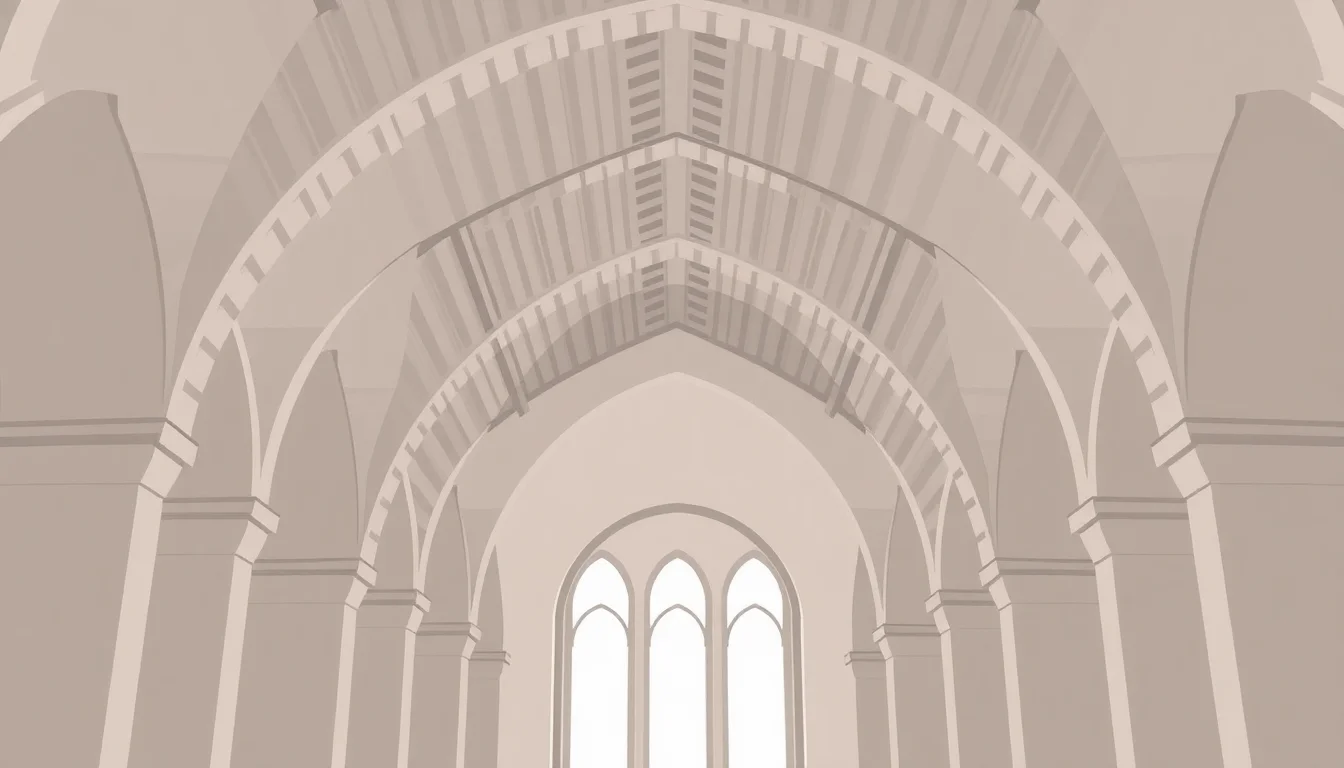
Ribbed vaults are a type of architectural feature that originated in the 12th century, characterized by a series of arches that intersect to form a complex web-like structure. This innovative design allowed for the creation of larger, more open spaces, and was a key feature of Gothic cathedrals such as Notre Dame in Paris, built between 1163 and 1345. The use of ribbed vaults enabled architects to distribute weight more efficiently, allowing for taller and more elaborate buildings. The technique was pioneered by architects such as Villard de Honnecourt, who documented his designs in the 13th century. With a vibe score of 8, ribbed vaults continue to inspire wonder and awe in people around the world. The influence of ribbed vaults can be seen in modern architecture, with designers such as Frank Gehry citing the Gothic style as an inspiration for his own work.
🏛️ Introduction to Ribbed Vaults
Ribbed vaults are a type of architectural feature that has been used for centuries to create complex and visually striking ceiling designs. They are particularly popular in Gothic architecture and Roman-Gothic architecture. The use of ribbed vaults allows for greater flexibility in terms of design and construction, as they can be used to create a wide range of shapes and patterns. For example, the Notre Dame Cathedral in Paris features an impressive ribbed vaulted ceiling. Ribbed vaults are also commonly used in Islamic architecture, where they are often combined with other decorative elements such as arabesque patterns and mukarna.
📍 History and Development
The history of ribbed vaults dates back to the Middle Ages, when they were first used in the construction of cathedrals and other large buildings. Over time, the design and construction of ribbed vaults evolved, with new techniques and materials being developed. For example, the use of flying buttresses allowed for the creation of even more complex and ambitious designs. The Chartres Cathedral in France is a notable example of a building that features a ribbed vaulted ceiling. Ribbed vaults were also influenced by Byzantine architecture, which made use of similar techniques and designs.
📐 Design and Construction
The design and construction of ribbed vaults requires a great deal of skill and expertise. The process typically begins with the creation of a detailed design and plan, which takes into account the size and shape of the space, as well as the materials and techniques to be used. The construction of the vault itself involves the use of a combination of stone and brick work, as well as wood and other materials. For example, the Colosseum in Rome features a complex system of ribbed vaults that were constructed using a combination of stone and brick. The use of 3D modeling and other digital tools has also become increasingly popular in the design and construction of ribbed vaults.
💡 Engineering and Mechanics
From an engineering and mechanics perspective, ribbed vaults are a complex and fascinating topic. The use of ribbed vaults allows for the creation of large, open spaces without the need for columns or other supporting structures. This is made possible by the use of a combination of arches and vaults, which work together to distribute the weight and stress of the building. For example, the Pantheon in Rome features a large dome that is supported by a system of ribbed vaults. The use of finite element analysis and other computational tools has also become increasingly important in the design and construction of ribbed vaults.
🏗️ Examples and Case Studies
There are many examples of ribbed vaults in architecture, ranging from the Hagia Sophia in Istanbul to the St. Peter's Basilica in Rome. Each of these buildings features a unique and impressive ribbed vaulted ceiling, and they are a testament to the skill and creativity of the architects and builders who designed and constructed them. The use of ribbed vaults has also been influential in the development of other architectural styles, such as Art Nouveau and Deconstructivism. For example, the Guggenheim Museum in Bilbao features a flowing, curvilinear design that was influenced by the use of ribbed vaults.
👥 Architects and Influencers
Many famous architects have made use of ribbed vaults in their designs, including Frank Lloyd Wright and Le Corbusier. These architects, and many others like them, have helped to push the boundaries of what is possible with ribbed vaults, and have created some of the most iconic and enduring buildings of the modern era. The use of ribbed vaults has also been influenced by sustainable architecture and green building principles, which emphasize the importance of energy efficiency and environmental sustainability. For example, the Sydney Opera House features a ribbed vaulted ceiling that was designed with sustainability in mind.
📚 Resources and References
There are many resources available for those who are interested in learning more about ribbed vaults, including books, articles, and online courses. For example, the American Institute of Architects offers a range of resources and guides on the topic, including a comprehensive guide to the design and construction of ribbed vaults. The use of building information modeling (BIM) has also become increasingly popular in the design and construction of ribbed vaults. The National Council of Architectural Registration Boards also offers a range of resources and guides on the topic.
🤔 Challenges and Controversies
Despite their many advantages, ribbed vaults are not without their challenges and controversies. One of the main challenges is the complexity and difficulty of their design and construction, which can make them more expensive and time-consuming to build than other types of ceilings. Additionally, the use of ribbed vaults can also be limited by the materials and techniques available, which can restrict the range of possible designs and shapes. For example, the use of reinforced concrete has become increasingly popular in the construction of ribbed vaults, but it can be expensive and difficult to work with. The use of recycled materials has also become increasingly popular in the construction of ribbed vaults, which can help to reduce waste and improve sustainability.
📈 Future Developments and Trends
As architecture and engineering continue to evolve, it is likely that ribbed vaults will remain a popular and important feature of many buildings. New materials and techniques, such as 3D printing and advanced composites, are likely to play a major role in the future development of ribbed vaults, and will allow for the creation of even more complex and ambitious designs. The use of artificial intelligence and machine learning is also likely to become increasingly important in the design and construction of ribbed vaults. For example, the use of AI-powered design tools can help to optimize the design of ribbed vaults and improve their structural integrity.
📊 Comparison with Similar Options
Compared to other types of ceilings, such as flat ceilings and barrel vaults, ribbed vaults offer a unique combination of aesthetic appeal and structural integrity. They are particularly well-suited to large, open spaces, and can be used to create a sense of drama and grandeur. However, they can also be more expensive and difficult to build than other types of ceilings, which can make them less accessible to some builders and architects. The use of modular construction and prefabricated components can help to reduce the cost and complexity of ribbed vaults, and make them more accessible to a wider range of builders and architects.
👍 Practical Tips and Advice
For those who are interested in learning more about ribbed vaults, or in incorporating them into their own building designs, there are many practical tips and pieces of advice that can be helpful. One of the most important things is to work with an experienced and skilled architect or builder, who has a deep understanding of the design and construction of ribbed vaults. It is also important to carefully consider the materials and techniques to be used, and to plan carefully to ensure that the project is completed on time and within budget. The use of building management systems can also help to improve the efficiency and sustainability of ribbed vaults, and reduce their environmental impact.
📲 Getting Started and Making Contact
For those who are interested in getting started with ribbed vaults, or in learning more about this topic, there are many resources available. The International Union of Architects offers a range of guides and resources on the topic, including a comprehensive guide to the design and construction of ribbed vaults. The World Architects website also features a range of articles and guides on the topic, including a detailed guide to the history and development of ribbed vaults. Additionally, many architectural firms and construction companies offer services and expertise in the design and construction of ribbed vaults, and can provide valuable guidance and support to those who are interested in this topic.
Key Facts
- Year
- 1163
- Origin
- Europe
- Category
- Architecture
- Type
- Architectural Feature
Frequently Asked Questions
What is a ribbed vault?
A ribbed vault is a type of architectural feature that is characterized by a series of arches that intersect to form a complex and visually striking ceiling design. Ribbed vaults are often used in large, open spaces, and can be used to create a sense of drama and grandeur. They are particularly popular in Gothic architecture and Islamic architecture, and have been used in a wide range of buildings throughout history, including cathedrals, mosques, and palaces. For example, the Notre Dame Cathedral in Paris features an impressive ribbed vaulted ceiling.
How are ribbed vaults constructed?
The construction of ribbed vaults is a complex and challenging process that requires a great deal of skill and expertise. The process typically begins with the creation of a detailed design and plan, which takes into account the size and shape of the space, as well as the materials and techniques to be used. The construction of the vault itself involves the use of a combination of stone and brick work, as well as wood and other materials. The use of 3D modeling and other digital tools has also become increasingly popular in the design and construction of ribbed vaults. For example, the Colosseum in Rome features a complex system of ribbed vaults that were constructed using a combination of stone and brick.
What are the advantages of ribbed vaults?
Ribbed vaults offer a number of advantages, including their aesthetic appeal, structural integrity, and flexibility. They can be used to create a wide range of shapes and patterns, and can be adapted to suit a variety of different building styles and designs. Ribbed vaults are also highly durable and can last for many centuries with proper maintenance. However, they can also be more expensive and difficult to build than other types of ceilings, which can make them less accessible to some builders and architects. The use of modular construction and prefabricated components can help to reduce the cost and complexity of ribbed vaults, and make them more accessible to a wider range of builders and architects.
What are the challenges of ribbed vaults?
Despite their many advantages, ribbed vaults are not without their challenges and controversies. One of the main challenges is the complexity and difficulty of their design and construction, which can make them more expensive and time-consuming to build than other types of ceilings. Additionally, the use of ribbed vaults can also be limited by the materials and techniques available, which can restrict the range of possible designs and shapes. The use of reinforced concrete has become increasingly popular in the construction of ribbed vaults, but it can be expensive and difficult to work with. The use of recycled materials has also become increasingly popular in the construction of ribbed vaults, which can help to reduce waste and improve sustainability.
How can I learn more about ribbed vaults?
There are many resources available for those who are interested in learning more about ribbed vaults, including books, articles, and online courses. The American Institute of Architects offers a range of resources and guides on the topic, including a comprehensive guide to the design and construction of ribbed vaults. The International Union of Architects also offers a range of guides and resources on the topic, including a comprehensive guide to the design and construction of ribbed vaults. Additionally, many architectural firms and construction companies offer services and expertise in the design and construction of ribbed vaults, and can provide valuable guidance and support to those who are interested in this topic.
Can I use ribbed vaults in my own building design?
Yes, ribbed vaults can be used in a wide range of building designs, from residential homes to large commercial buildings. However, it is important to work with an experienced and skilled architect or builder who has a deep understanding of the design and construction of ribbed vaults. It is also important to carefully consider the materials and techniques to be used, and to plan carefully to ensure that the project is completed on time and within budget. The use of building management systems can also help to improve the efficiency and sustainability of ribbed vaults, and reduce their environmental impact.
What is the history of ribbed vaults?
The history of ribbed vaults dates back to the Middle Ages, when they were first used in the construction of cathedrals and other large buildings. Over time, the design and construction of ribbed vaults evolved, with new techniques and materials being developed. The use of flying buttresses allowed for the creation of even more complex and ambitious designs. The Chartres Cathedral in France is a notable example of a building that features a ribbed vaulted ceiling. Ribbed vaults were also influenced by Byzantine architecture, which made use of similar techniques and designs.