
Contents
Overview
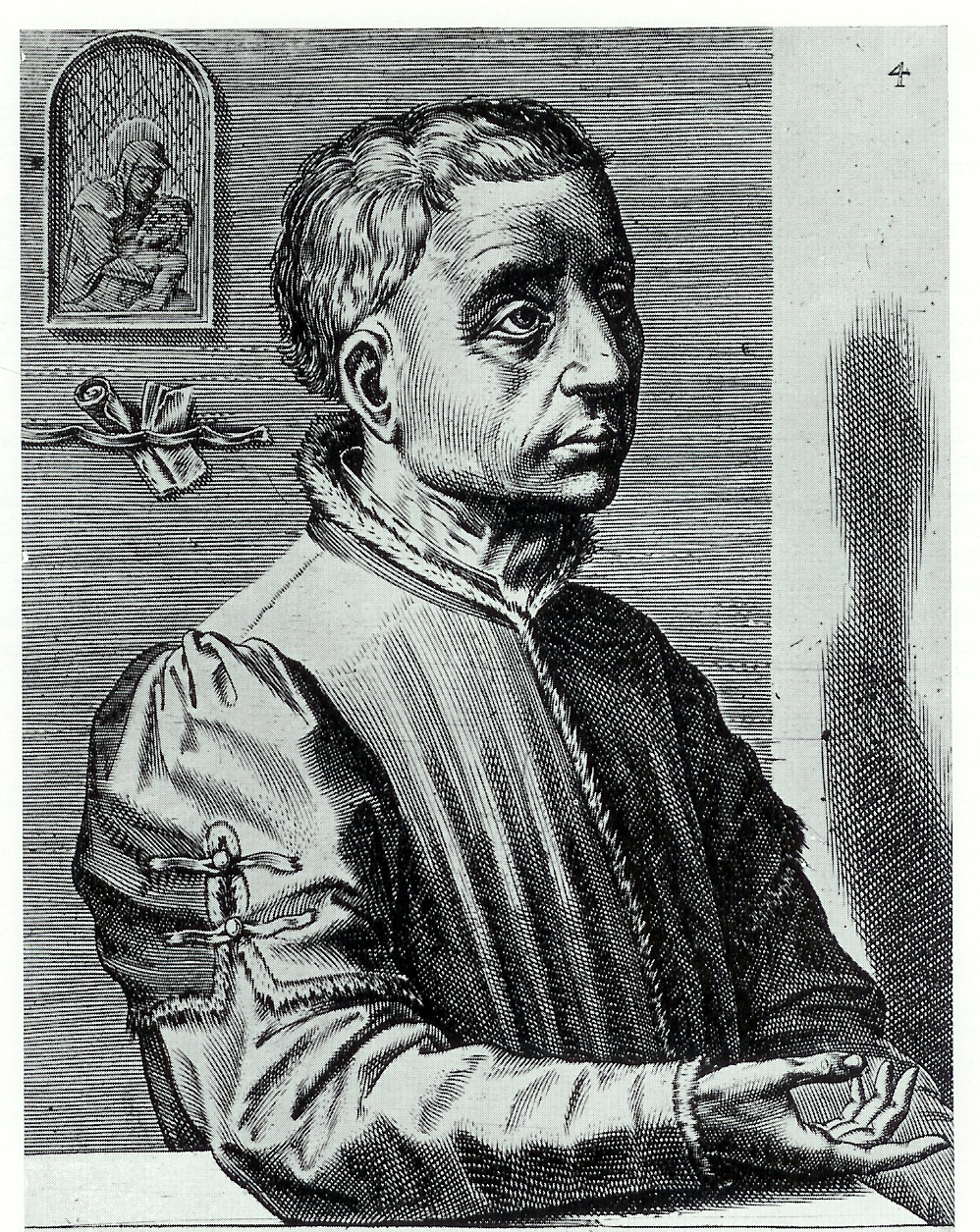
Rogier van der Weyden (c. 1399/1400 – 1464) stands as a titan of early Netherlandish painting, renowned for his profound emotional depth, meticulous detail, and dramatic compositions. Emerging from the vibrant artistic milieu of Tournai and later Brussels, van der Weyden, alongside contemporaries like Jan van Eyck and Robert Campin, defined the Flemish Primitives. His works, primarily religious scenes and portraits, captivated patrons across Europe, from the Burgundian court to Italian city-states, cementing his reputation as one of the most influential artists of the 15th century. Despite a period of obscurity, his legacy was revived, and today he is celebrated for his ability to imbue painted figures with palpable human feeling and his mastery of rendering complex narratives through visual art, profoundly shaping the trajectory of Western painting.
🎵 Origins & Early Life
Rogier van der Weyden was born in Tournai, then part of the Duchy of Burgundy, around 1399 or 1400, a period of significant artistic innovation. His early life remains somewhat enigmatic, but records indicate he was the son of a cutler, Thierry de la Pasture. Some scholars posit Robert Campin as a strong possibility for van der Weyden's mentor, a connection that would place him at the heart of the burgeoning Netherlandish style. His initial French name, 'Roger de la Pasture,' suggests a background influenced by the region's bilingual culture, a duality that would later be reflected in his art's broad appeal.
⚙️ Artistic Style and Technique
Van der Weyden’s artistic genius lies in his unparalleled ability to convey intense human emotion through precise draftsmanship and vibrant color. Unlike the often more naturalistic approach of Jan van Eyck, van der Weyden’s figures are characterized by their expressive gestures, contorted poses, and deeply felt pathos, particularly evident in his depictions of the Passion of Christ. He masterfully employed oil glazes to achieve luminous surfaces and subtle tonal gradations, while his compositions are often marked by a dramatic intensity, with figures arranged in dynamic, often angular, configurations that heighten the emotional impact. His meticulous attention to detail, from the rendering of fabric textures to the delicate nuances of facial expressions, set a benchmark for subsequent generations of artists working in the Northern Renaissance tradition.
📊 Key Works and Patronage
His most celebrated works showcase his narrative power and emotional depth. Van der Weyden was highly sought after by royalty and nobility; he received commissions from Philip the Good, Duke of Burgundy, and his works were exported as far as Italy, influencing artists like Fra Angelico and Sandro Botticelli. His portraiture, exemplified by works that captured the likeness and inner character of his sitters with remarkable psychological insight, made him a favored portraitist among the elite.
👥 Key Figures and Contemporaries
Van der Weyden operated within a dynamic artistic ecosystem, with Jan van Eyck being his most prominent contemporary. While both artists were masters of oil painting and detailed observation, their stylistic approaches diverged. Van Eyck’s work often exhibits a cooler, more detached realism, whereas van der Weyden infused his scenes with a palpable sense of human suffering and spiritual fervor. Other significant figures in his orbit include Robert Campin, whose workshop he may have trained in, and Hans Memling, a later artist who absorbed much of van der Weyden's stylistic vocabulary. The patronage of the Duchy of Burgundy provided a crucial context for his success, fostering a demand for sophisticated religious and secular art.
🌍 European Reach and Influence
The fame of Rogier van der Weyden extended far beyond the Low Countries during his lifetime. His paintings were highly prized in Italy, with documented commissions from patrons in Florence and Rome, demonstrating his international renown. This export of his work played a pivotal role in disseminating the Netherlandish style across Europe, influencing the development of painting in regions like France and Spain. His popularity in some areas was a testament to his profound impact on the visual culture of the era and his contribution to the spread of the Flemish Primitive movement.
⚡ Rediscovery and Legacy
Despite his immense success, van der Weyden's reputation waned significantly, and he was largely forgotten for a period. However, the 19th century saw a gradual rediscovery and re-evaluation of his work, driven by art historians and critics who recognized his unique contributions. Today, he is firmly established as one of the three great masters of early Netherlandish painting, alongside Jan van Eyck and Robert Campin. His works are now housed in major museums worldwide, including the Prado Museum in Madrid and the Städel Museum in Frankfurt, attracting scholars and art enthusiasts alike.
🤔 Debates on Attribution and Chronology
One persistent area of scholarly debate concerns the attribution and chronology of certain works attributed to van der Weyden and his workshop. The precise dating of key pieces remains a subject of ongoing research. Furthermore, distinguishing between works definitively by the master and those produced by his highly skilled assistants or followers, such as Goswin van der Weyden, presents a complex challenge for art historians. The extent of his direct involvement in every brushstroke of his workshop's output is often difficult to ascertain, leading to varying interpretations of his oeuvre.
🔮 Van der Weyden's Enduring Appeal
Van der Weyden's enduring appeal stems from his profound humanism and his ability to capture the spiritual and emotional essence of his subjects. His paintings resonate with viewers centuries later because they tap into universal human experiences of grief, devotion, and contemplation. The dramatic intensity and psychological depth of his religious scenes, combined with the dignified realism of his portraits, continue to captivate audiences. His influence can be traced through generations of artists, solidifying his status as a foundational figure in the history of Western art and a master of conveying profound meaning through visual storytelling.
💡 Impact on Portraiture
In the realm of portraiture, Rogier van der Weyden pioneered a style that moved beyond mere likeness to explore the sitter's inner life. His portraits, often rendered with a stark, unadorned background, focus the viewer’s attention squarely on the subject’s face and demeanor. This approach, characterized by its psychological penetration and subtle emotional cues, set a precedent for subsequent portrait painters, including artists like Antonio Pisanello and later masters of the Dutch Golden Age. The dignity and introspection he conveyed in works like the Portrait of a Lady profoundly shaped the expectations of portraiture as an art form capable of revealing character.
📚 Further Exploration
For those seeking to delve deeper into the life and work of Rogier van der Weyden, the scholarly literature offers extensive resources. Key texts include Erwin Panofsky's seminal study, 'Early Netherlandish Painting,' which provides foundational analysis of van der Weyden's oeuvre. More recent scholarship, such as that by Lorne Campbell, offers updated perspectives on attribution and historical context. Examining the collections of major museums like the Prado Museum and the Royal Museums of Fine Arts of Belgium provides direct engagement with his masterpieces, offering invaluable insights into his technique and artistic vision.
Key Facts
- Category
- aesthetics
- Type
- person