
Contents
- ⚙️ What is a Social Media Algorithm?
- 📈 How They Work: The Engine Room
- 🎯 Who Controls the Vibe?
- ⚖️ The Algorithm's Double-Edged Sword
- 💡 Key Players in the Algorithm Game
- ⏳ A Brief History of Algorithmic Curation
- 🚀 The Future of Algorithmic Influence
- ❓ Navigating the Algorithmic Maze
- Frequently Asked Questions
- Related Topics
Overview
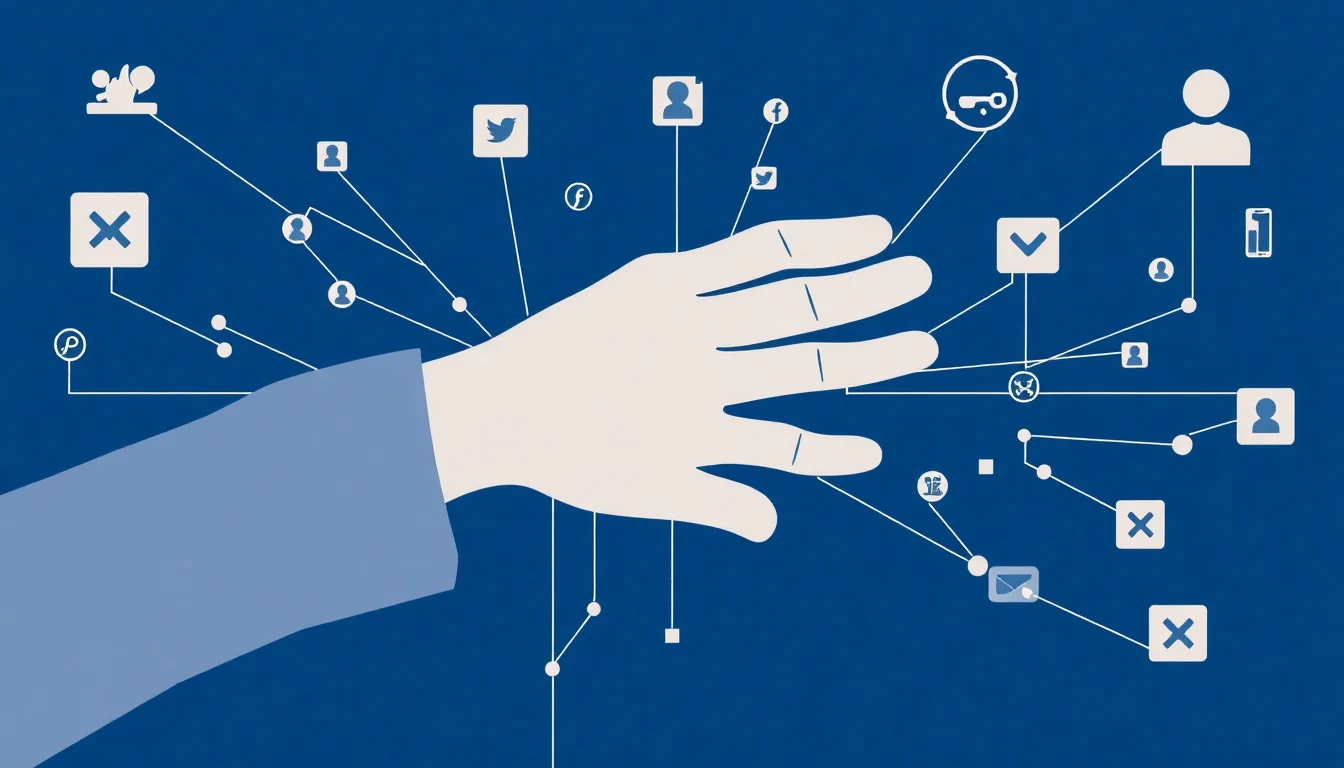
A Social Media Algorithm is the invisible hand guiding what you see on platforms like TikTok, Instagram, and X (formerly Twitter). Think of it as a highly sophisticated curator, constantly sifting through an ocean of content to present you with what it thinks you want most. It’s not a single entity, but a complex set of rules and calculations designed to maximize user engagement by predicting your interests. This system is the backbone of the modern digital experience, shaping everything from viral trends to niche community visibility. Without it, your feed would be a chaotic, uncurated mess, devoid of the personalized touch that keeps you scrolling.
📈 How They Work: The Engine Room
At its core, a Social Media Algorithm operates on a massive dataset of user behavior. It tracks likes, shares, comments, watch times, and even how long you linger on a particular post. Machine learning models then analyze these signals, alongside content metadata and user demographics, to build a profile of your preferences. This profile is used to rank and order content, pushing posts deemed most relevant to the top of your feed. The goal is simple: keep you on the platform longer by feeding you a continuous stream of content that resonates with your perceived tastes and habits. It’s a constant feedback loop, learning and adapting with every interaction you make.
🎯 Who Controls the Vibe?
The power to shape what billions see daily rests with a handful of tech giants. Companies like Meta (Facebook, Instagram), Google (YouTube), and ByteDance (TikTok) develop and deploy these algorithms. While they often claim neutrality, the design choices embedded within these systems reflect specific business objectives, primarily driven by advertising revenue. The engineers and data scientists within these organizations are the architects of our digital realities, making decisions that have profound cultural and societal implications. Understanding who holds this power is crucial to grasping the true nature of algorithmic influence.
⚖️ The Algorithm's Double-Edged Sword
The Social Media Algorithm presents a classic double-edged sword. On one hand, it democratizes content discovery, allowing niche creators to find audiences and users to explore diverse interests beyond their immediate social circles. It can foster communities and spread important information rapidly. On the other hand, it can create echo chambers, amplify misinformation, and lead to addictive usage patterns. The relentless pursuit of engagement can prioritize sensationalism over substance, and the lack of transparency fuels widespread distrust and speculation about its true workings. The potential for both immense good and significant harm is ever-present.
💡 Key Players in the Algorithm Game
Key figures in the development and understanding of Social Media Algorithms include researchers and engineers who have pioneered recommender systems. While specific individuals are often shielded by corporate anonymity, pioneers in machine learning and information retrieval, such as Andrew Ng (though more broadly in AI) and early architects of platforms like Facebook and Google, laid the groundwork. More recently, critics and academics like Shoshana Zuboff have illuminated the darker side of surveillance capitalism, directly tied to algorithmic data collection. The ongoing debate involves countless engineers, ethicists, and policymakers.
⏳ A Brief History of Algorithmic Curation
The history of algorithmic curation on social media is a rapid evolution from simple chronological feeds to complex, predictive engines. Early platforms like FriendFeed (acquired by Facebook in 2009) experimented with algorithmic sorting. Facebook's introduction of its News Feed in 2006, initially met with user backlash, marked a significant turning point. Twitter followed suit, moving away from pure chronology. The rise of YouTube and its recommendation engine, and later the explosive growth of TikTok with its hyper-personalized For You page, represent distinct phases in algorithmic sophistication, each pushing the boundaries of what content delivery could achieve.
🚀 The Future of Algorithmic Influence
The future of the Social Media Algorithm points towards even greater personalization and integration into our lives. We can expect more sophisticated AI models capable of understanding nuanced emotional states and predicting needs before users even articulate them. This could lead to hyper-targeted advertising that feels prescient, or conversely, more proactive mental health support integrated into platforms. There's also a growing push for algorithmic transparency and user control, with potential for decentralized social networks to offer alternative models. The battle between engagement maximization and user well-being will define this next era.
Key Facts
- Year
- 2023
- Origin
- Developed in the early 2000s, with significant advancements in machine learning and user data analytics.
- Category
- Digital Culture
- Type
- Concept
Frequently Asked Questions
Can I truly control what the algorithm shows me?
While complete control is elusive, you have significant influence. Engaging with content you want to see more of and disengaging from content you don't, actively using platform settings (like 'mute' or 'see less often'), and seeking out diverse creators can all steer the algorithm. However, the platform's overarching goals, often tied to ad revenue, will always play a role in what gets prioritized.
Why does my feed sometimes feel repetitive?
This is a common outcome of algorithmic optimization. The system identifies patterns in your engagement and feeds you more of what it predicts you'll like, leading to a loop. This can be beneficial for discovering similar content but can also create an echo chamber, limiting exposure to new or contrasting ideas. Breaking this cycle requires actively seeking out novel content.
Are algorithms biased?
Yes, algorithms can and often do exhibit bias. This bias can stem from the data they are trained on, which may reflect societal prejudices, or from the design choices made by their creators. For instance, if historical data shows certain demographics engage more with specific types of content, the algorithm might perpetuate that pattern, inadvertently limiting opportunities for others.
How do different platforms' algorithms vary?
Each platform tailors its algorithm to its specific content format and user behavior. TikTok's algorithm is known for its rapid learning curve and focus on short-form video engagement, often surfacing content from creators you don't follow. Instagram balances algorithmic recommendations with content from people you follow, focusing on visual appeal and engagement metrics. X (formerly Twitter)] prioritizes recency and trending topics alongside personalized suggestions.
Is there a way to see content chronologically again?
Some platforms, like X (formerly Twitter)] and Instagram, offer a chronological feed option, though it may not be the default. Facebook also has a 'Most Recent' option. However, these chronological feeds often lack the personalized discovery features that algorithmic feeds provide, and they may not be as effective at surfacing content from outside your immediate network.
What is 'shadow banning' and is it real?
Shadow banning, or 'ghost banning,' is the alleged practice of a platform reducing a user's content visibility without explicit notification. While platforms often deny its existence as a deliberate policy, users frequently report experiencing sudden drops in reach or engagement that align with this concept. It's a contentious topic, with many attributing such phenomena to algorithmic shifts rather than intentional suppression.