
Contents
Overview
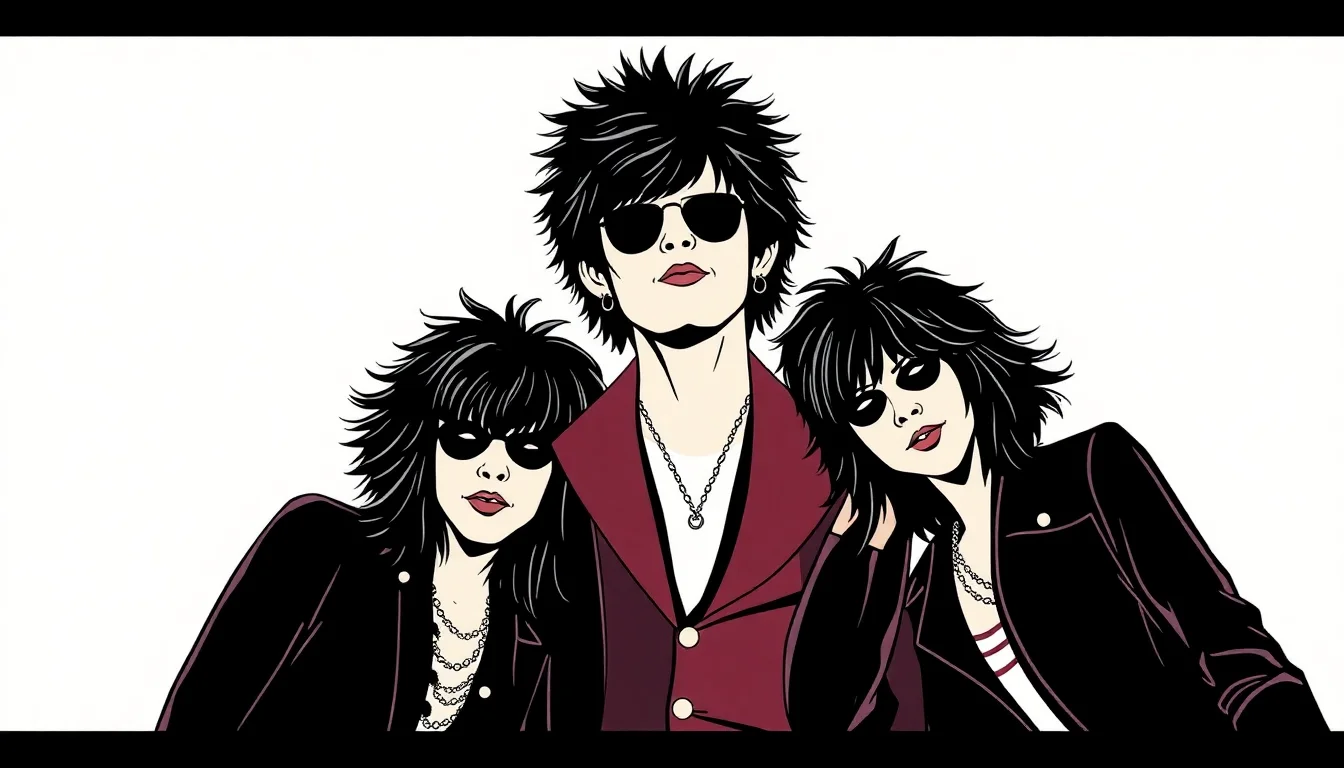
The New York Dolls emerged from the gritty streets of New York City in 1971, blending glam rock with punk sensibilities to create a sound that would inspire countless bands in the years to come. Their flamboyant style and audacious performances made them one of the cornerstones of the punk rock movement, influencing acts like The Clash and Ramones. Despite their initial commercial struggles, the Dolls left an indelible mark on rock music and fashion, paving the way for the punk and glam genres.
🎬 Behind the Scenes
The New York Dolls were formed in 1971 by frontman David Johansen and guitarist Johnny Thunders, alongside Jerry Nolan, Arthur Kane, and Sylvain Sylvain. Their self-titled debut album, released in 1973, featured a raw sound that merged glam rock's flamboyance with the energy of rock 'n' roll. Influenced by bands like The Rolling Stones and Sweet, the Dolls were known for their extravagant outfits and makeup, challenging the norms of masculinity and rock aesthetics.
📖 The Story
The band's music was characterized by catchy hooks, gritty guitar riffs, and Johansen's charismatic vocals. Songs like "Personality Crisis" and "Jet Boy" showcased their unique blend of styles, creating a sound that resonated with disaffected youth. Their live performances were legendary, often described as chaotic and electrifying, drawing comparisons to Iggy Pop and the Stooges. Despite their talent and influence, the Dolls struggled with mainstream success during their initial run.
🏆 Reception & Impact
Though the New York Dolls never achieved commercial success on par with their contemporaries, they garnered a cult following and critical acclaim. Their debut album is often cited as one of the greatest rock albums of all time, appearing in numerous lists, including Rolling Stone's 500 Greatest Albums of All Time. Despite lineup changes and struggles with addiction, the band has continued to perform and release music, solidifying their legacy as pioneers of punk rock.
✨ Legacy & Influence
The New York Dolls' impact on rock music is profound, influencing a wide range of artists across genres. Their style can be seen in the music of bands like Sex Pistols and Morrissey, and they are often credited with paving the way for the glam metal movement of the 1980s. The Dolls' ethos of self-expression and rebellion continues to inspire new generations of musicians and fans.
Key Facts
- Year
- 1971-present
- Origin
- USA
- Category
- videos
- Type
- youtube-creator
Frequently Asked Questions
What is the significance of The New York Dolls in music?
They are regarded as pioneers of punk rock and glam rock, influencing numerous artists.
Who were the original members of The New York Dolls?
The original lineup included David Johansen, Johnny Thunders, Jerry Nolan, Arthur Kane, and Sylvain Sylvain.
What are some of their most famous songs?
Notable tracks include 'Personality Crisis' and 'Jet Boy'.
Did The New York Dolls ever win any awards?
They were inducted into the Rock and Roll Hall of Fame in 2004.
Are The New York Dolls still active today?
Yes, they continue to perform and release music, though with different lineups.