
Contents
Overview
The original Broadway production of The Sound of Music opened at the Lunt-Fontanne Theatre. The producers acquired the film rights, initially envisioning a film project. However, the stage musical rights were secured by Rodgers and Hammerstein, who saw immense potential in the story for their signature blend of heartfelt drama and memorable music. Howard Lindsay and Russel Crouse were brought on to craft the book, adapting the memoir while emphasizing the romantic and familial elements. The original Broadway production starred Mary Martin as Maria and Theodore Bikel as Captain von Trapp, quickly becoming a critical and commercial success.
⚙️ How It Works
At its core, 'The Sound of Music' functions as a classic musical theatre piece, driven by its narrative and integrated songs. The book by Howard Lindsay and Russel Crouse establishes a clear dramatic arc, moving from Maria's initial uncertainty and the children's resistance to her eventual acceptance into the family and their shared defiance of the Nazi regime. Richard Rodgers' score provides both emotional depth and narrative propulsion, with songs like 'My Favorite Things' serving as a moment of comfort and connection, while 'Do-Re-Mi' illustrates Maria's innovative teaching methods. Oscar Hammerstein II's lyrics are renowned for their clarity, emotional resonance, and thematic weight, particularly in anthems like 'Climb Ev'ry Mountain,' which encapsulates the musical's message of perseverance. The staging, particularly in the original Broadway production directed by Vincent J. Donahue, emphasized the grandeur of the Austrian Alps and the intimacy of the von Trapp home, creating a visually and emotionally immersive experience.
📊 Key Facts & Numbers
Mary Martin won a Tony Award for Best Actress for her role as Maria, and Theodore Bikel won a Tony Award for Best Featured Actor. The 1965 film adaptation, starring Julie Andrews and Christopher Plummer, became the highest-grossing film of its time, earning over $286 million worldwide and winning five Academy Awards, including Best Picture. The soundtrack album for the film sold over 11 million copies in the US alone by 1965. Worldwide, the musical has been translated into over 20 languages and performed by countless theater companies, with an estimated global audience exceeding 50 million people.
👥 Key People & Organizations
The creative team behind 'The Sound of Music' is a constellation of Broadway legends. Richard Rodgers and Oscar Hammerstein II were a legendary songwriting duo, responsible for other masterpieces like 'Oklahoma!' and 'The King and I.' Howard Lindsay and Russel Crouse provided the robust book, drawing from Maria von Trapp's own experiences. Mary Martin, the original Maria, was already a Broadway icon, known for her roles in 'Peter Pan' and 'South Pacific.' Theodore Bikel, who portrayed Captain von Trapp, brought gravitas and warmth to the role. The von Trapp family themselves, particularly Maria von Trapp, served as the ultimate inspiration, with her memoir providing the foundational narrative. The RKO Pictures and 20th Century Fox studios were instrumental in bringing the story to the screen in 1965, with director Robert Wise helming the critically acclaimed film adaptation.
🌍 Cultural Impact & Influence
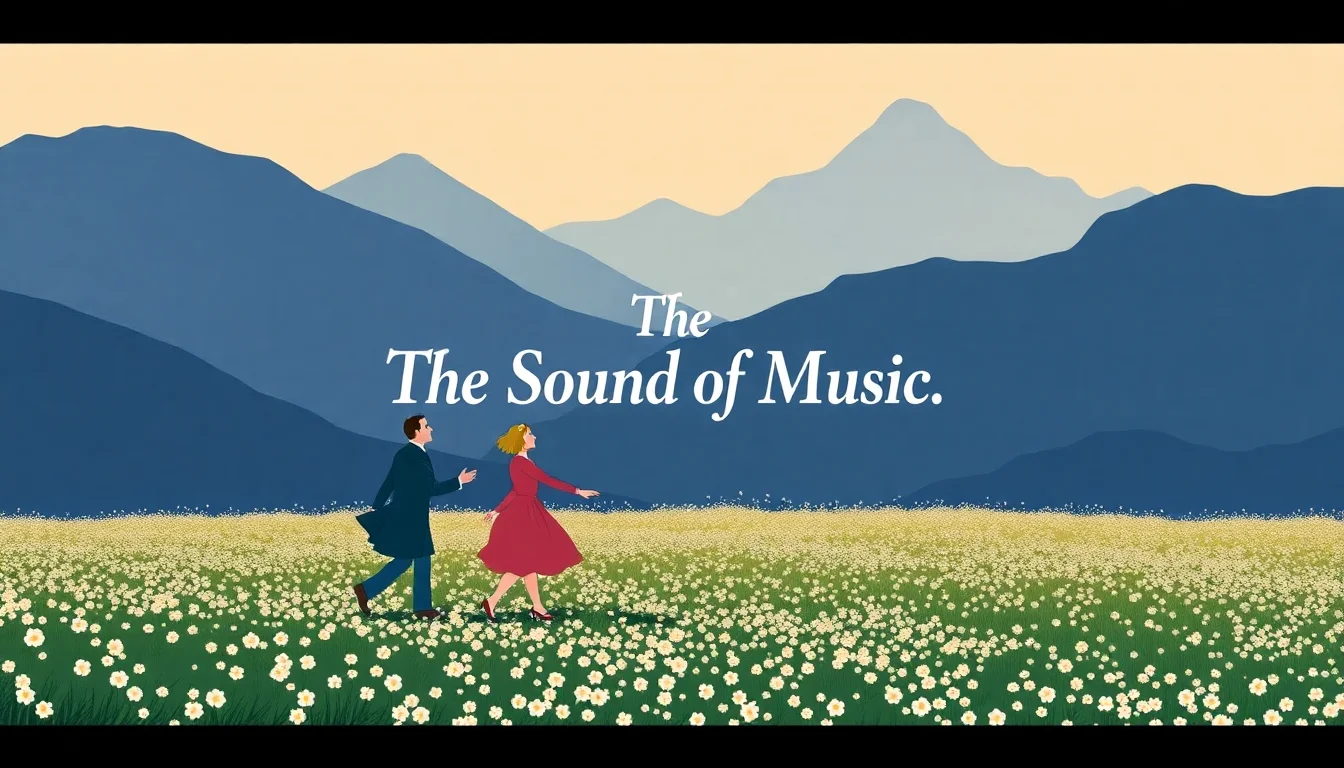
The cultural footprint of 'The Sound of Music' is immense and multifaceted. Its songs are deeply embedded in global popular culture, frequently sung at family gatherings, school events, and even political rallies as anthems of hope and unity. The film adaptation, in particular, cemented its status as a family classic, introducing the story to a wider audience than the stage production ever could. The musical's themes of familial love, the courage to stand against oppression, and the transformative power of music have resonated across generations and cultures. It has influenced subsequent stage musicals and films that explore similar themes of family resilience and artistic expression, solidifying its place as a touchstone in American musical theatre and cinematic history. The iconic imagery of Maria twirling on the mountaintop has become synonymous with freedom and joy.
⚡ Current State & Latest Developments
In 2023 and 2024, 'The Sound of Music' continues to be a staple in regional theaters and touring productions worldwide. Recent revivals have sought to re-examine the material, sometimes emphasizing the historical context of the Anschluss and the von Trapp family's political stance more overtly. The musical's enduring popularity ensures consistent demand for licensing, with amateur and professional companies staging productions annually. Discussions are ongoing regarding potential new adaptations or reinterpretations, though the shadow of the 1965 film looms large. The Rodgers & Hammerstein Organization actively manages the rights and promotes new productions, ensuring the legacy of the work continues to thrive in the contemporary performing arts landscape.
🤔 Controversies & Debates
Despite its widespread adoration, 'The Sound of Music' has faced its share of criticism and debate. Some historians and critics point to historical inaccuracies in both the musical and the film, particularly regarding the von Trapp family's timeline and their supposed immediate opposition to the Nazis. The musical's portrayal of Maria has also been debated, with some viewing her as an idealized figure while others question the romanticized depiction of her relationship with the Captain. Furthermore, the musical's optimistic tone and focus on family values have, for some, been seen as a saccharine or escapist response to the grim realities of the Anschluss and World War II. The film's immense success also overshadowed the original stage production, leading to debates about which version is the definitive 'Sound of Music.'
🔮 Future Outlook & Predictions
The future of 'The Sound of Music' likely involves continued reinterpretations that balance its beloved, familiar elements with a more nuanced exploration of its historical context. While a direct remake of the 1965 film seems improbable given its iconic status, new stage productions may continue to experiment with staging and thematic emphasis. The enduring power of Rodgers and Hammerstein's score suggests that the musical will remain a viable property for Broadway and touring companies for decades to come. There's also potential for further exploration of the von Trapp family's post-war lives and their continued contributions to music education and cultural exchange, perhaps through documentaries or biographical works that build upon the existing narrative foundation laid by the musical and its film adaptation.
💡 Practical Applications
The primary practical application of 'The Sound of Music' is its role in live theatrical performance, serving as a cornerstone for musical theatre education and professional productions. Its songs are widely used in music education, particularly for teaching vocal technique and music theory, with 'Do-Re-Mi' being a prime example of a song designed for pedagogical purposes. The musical's narrative also offers lessons in history, family dynamics, and moral courage, making it a valuable tool for educational discussions. Furthermore, the film adaptation has become a cultural touchstone for family entertainment, frequently screened during holiday seasons and serving as a shared experience for multiple generations. The story's themes of finding joy and strength through music are universally applicable, inspiring individuals to embrace creativity and resilience in their own lives.
Key Facts
- Category
- culture
- Type
- topic